
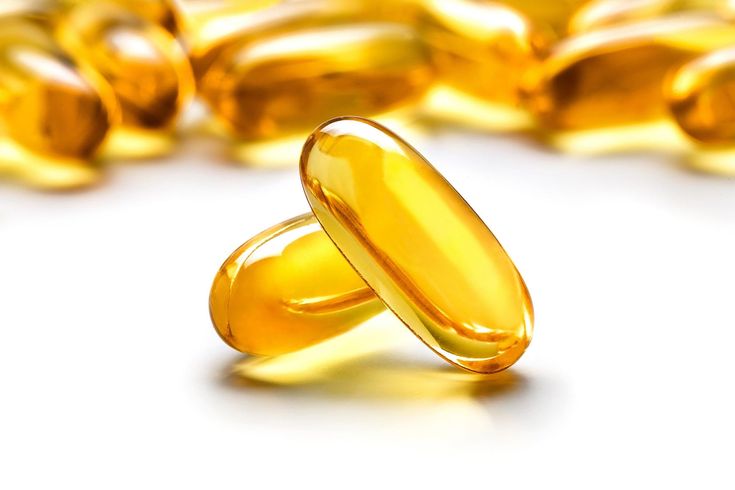
Explore Clinically Supported Supplements for Total Human Optimization.
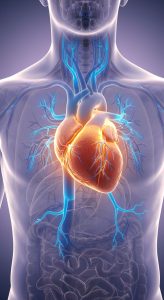
Optimize Before Dysfunction Begins.
Cardiovascular strain. Chronic stress. Metabolic imbalance. Sleep disruption.
These shifts develop silently — long before diagnosis
Strategic, evidence-informed supplementation can support physiological systems before measurable decline compounds.
INTRODUCTION
Explore clinically supported supplements designed to support overall health, cognitive performance, cardiovascular function, sleep quality, and metabolic balance. At NeuroFuelHQ, we focus on supplements that have been studied in scientific research and referenced by reputable medical and health organizations.
Many nutrients and plant compounds have been investigated for their role in supporting important biological processes such as inflammation control, nervous system regulation, energy metabolism, and cellular protection. Understanding which supplements are supported by credible research can help individuals make more informed wellness decisions.
For educational accuracy, our supplement guides often reference research findings and health information from respected institutions such as the National Institutes of Health. These organizations publish widely recognized guidance on nutrition, cardiovascular health, and preventive care.
In the sections below, you can explore clinically supported supplements commonly discussed in scientific literature and learn how they may contribute to long-term health, brain performance, and overall wellbeing when used responsibly
Table of Contents
Explore Clinically supported supplements for:
❤️ Cardiovascular Optimization
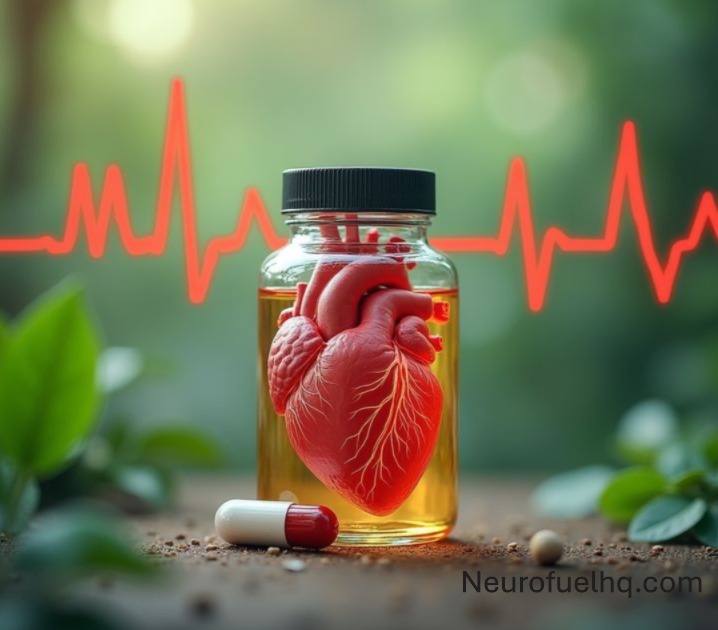
Key Supplements for Vascular Health
Magnesium (Glycinate / Citrate)
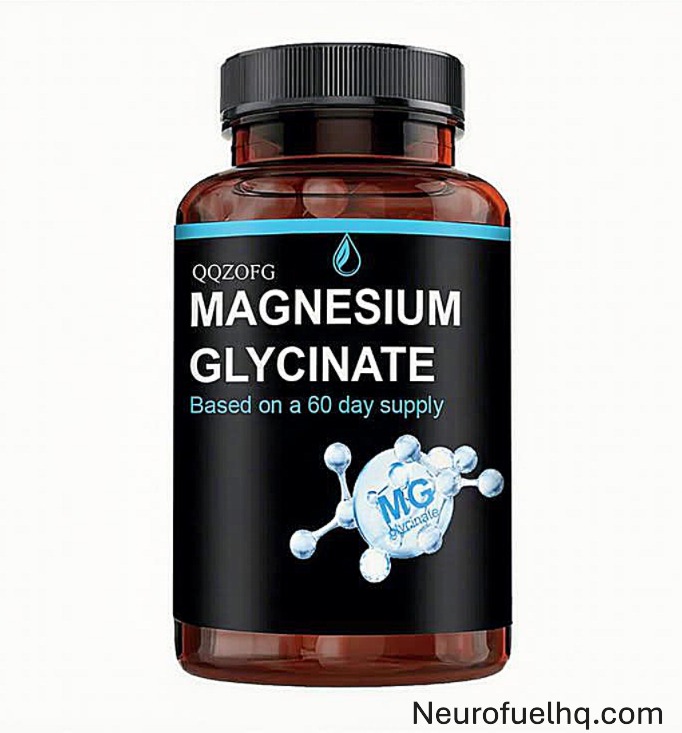
Supports:
• Vascular smooth muscle relaxation
• Calcium channel regulation
• Blood pressure stability
• Stress modulation
Magnesium deficiency is common in modern diets. It influences over 300 enzymatic processes, including vascular tone regulation.
Why Magnesium Matters for Modern Physiology
Magnesium is involved in over 300 enzymatic reactions in the human body. It plays a central role in neuromuscular function, vascular tone regulation, energy production, and stress adaptation. Modern dietary patterns and chronic stress exposure are associated with suboptimal magnesium intake in many adults.
In cardiovascular support, magnesium contributes to smooth muscle relaxation, which may support healthy blood pressure levels already within the normal range. It also assists in regulating calcium transport across cell membranes, influencing vascular responsiveness.
When choosing a magnesium supplement, glycinate and citrate forms are typically preferred for bioavailability and gastrointestinal tolerance.
Who May Consider Supplementation:
- Individuals under chronic stress
- Those with muscle tension or poor sleep quality
- Adults monitoring blood pressure trends
- Low dietary intake of leafy greens and nuts
Subtle deficiency is common. Structured supplementation can act as a foundational support strategy.
Omega-3 Fatty Acids (EPA/DHA)
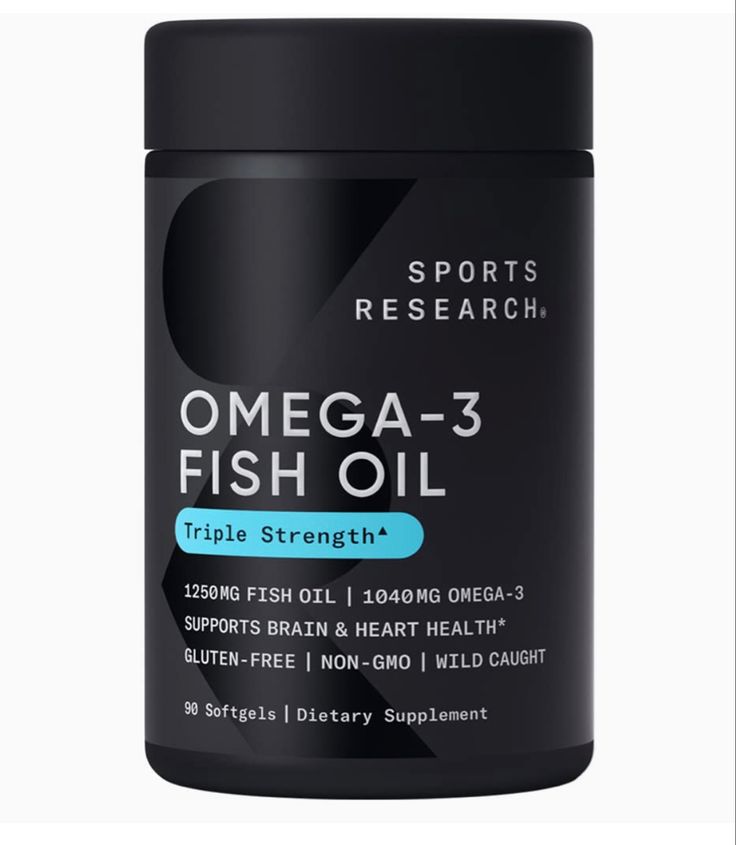
Supports:
• Endothelial function
• Anti-inflammatory pathways
• Triglyceride reduction
• Arterial elasticity
EPA and DHA influence prostaglandin signaling and vascular reactivity.
Cardiovascular and Inflammatory Pathway Support
Omega-3 fatty acids, particularly EPA and DHA, are extensively studied for their role in supporting endothelial function and lipid balance. They contribute to the regulation of inflammatory mediators and support arterial flexibility.
Regular intake of quality omega-3s has been associated with improved triglyceride profiles and balanced inflammatory responses.
When selecting an omega-3 supplement, look for:
- Molecularly distilled products
- Third-party purity testing
- Clearly labeled EPA/DHA concentrations
This is not simply a “fish oil capsule.” Quality and dosage precision matter.
CoQ10 (Ubiquinone / Ubiquinol)
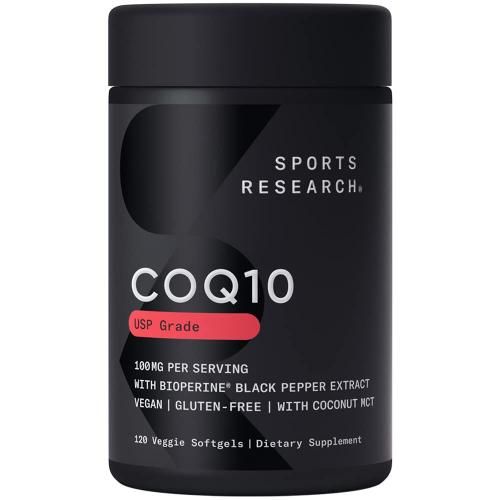
Supports:
• Mitochondrial ATP production
• Cardiac muscle energy demand
• Antioxidant protection
Particularly studied in hypertensive and statin-using populations.
Cellular Energy and Cardiac Support
Coenzyme Q10 is a naturally occurring antioxidant involved in mitochondrial ATP production. Since the heart is one of the most energy-demanding organs in the body, adequate mitochondrial support is essential.
CoQ10 levels may decline with age and in individuals using certain medications. Supplementation may support energy production at the cellular level and contribute to cardiovascular resilience.
Look for:
- Ubiquinol form (more bioavailable)
- Oil-based softgel delivery
- Clinically relevant dosing range
This positions CoQ10 as advanced support — not basic supplementation.
Garlic Extract
Supports:
• Nitric oxide pathways
• Mild systolic pressure reduction
• Antioxidant defense
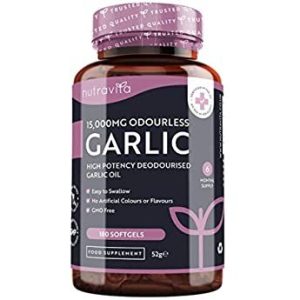
Vascular and Endothelial Support
Garlic has been studied for its role in supporting nitric oxide production and maintaining healthy vascular tone. Aged garlic extract, in particular, is associated with improved tolerability and standardized active compounds.
It contains sulfur-containing compounds such as S-allyl cysteine, which contribute to antioxidant activity and vascular flexibility.
Garlic supplementation may be considered by individuals seeking natural support for:
- Arterial stiffness
- Circulatory efficiency
- Lipid profile balance
When selecting a product:
- Prefer aged garlic extract over raw powder
- Look for standardized active compound labeling
- Choose odor-controlled formulations for daily compliance
Nitric oxide & blood flow supply:
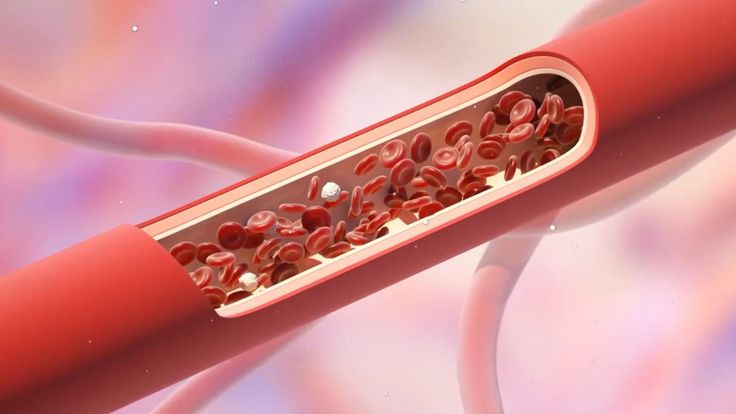
Beetroot Extract
Dietary nitrates convert into nitric oxide, supporting vascular dilation and exercise performance.
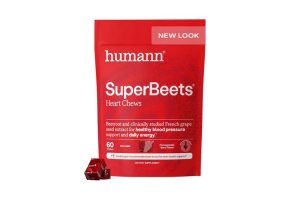
Nitric Oxide Pathway Optimization
Beetroot is naturally rich in dietary nitrates, which convert in the body to nitric oxide — a key molecule in vascular dilation and blood flow regulation.
Nitric oxide supports:
- Endothelial function
- Exercise performance
- Vascular elasticity
Beetroot powder or standardized extract may support circulatory efficiency when used consistently.
Quality considerations:
- Standardized nitrate content
- No added sugars
- Third-party testing
L-Citrulline
Precursor to L-arginine — enhances nitric oxide bioavailability more effectively than arginine alone.
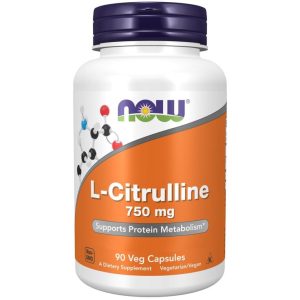
Nitric Oxide Precursor for Circulatory Flow
L-Citrulline is an amino acid that converts to L-arginine in the kidneys, supporting nitric oxide production more efficiently than direct arginine supplementation.
Nitric oxide plays a central role in:
- Vascular relaxation
- Exercise blood flow
- Oxygen delivery
It is commonly used in cardiovascular optimization and performance contexts.
Look for:
- Pure L-citrulline (not proprietary blends)
- Clinically relevant dosing
- Powder or capsule based on preference
Pycnogenol (French maritime pine bark)
Supports endothelial function and circulation efficiency.
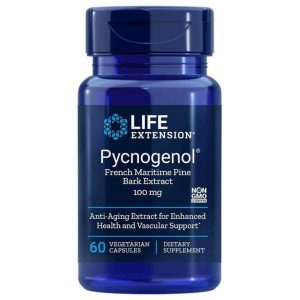
Endothelial and Antioxidant Protection
Pycnogenol is a standardized extract from French maritime pine bark, studied for vascular and microcirculatory support.
It contains procyanidins that contribute to antioxidant defense and capillary integrity.
Research has explored its role in:
- Vascular elasticity
- Oxidative stress balance
- Circulatory efficiency
Choose:
- Genuine Pycnogenol® branded extract
- Standardized dosing
- Reputable supplier transparency
Metabolic health support
Berberine
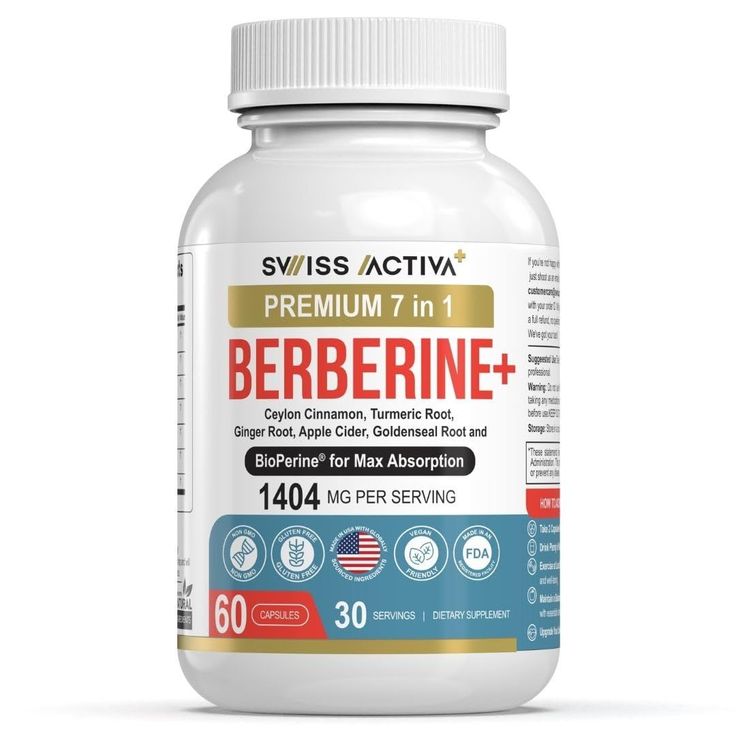
Supports:
• AMPK activation
• Glucose regulation
• Lipid metabolism
Often compared in studies to first-line metabolic interventions.
Metabolic Regulation Support
Berberine has been studied for its influence on glucose metabolism and insulin sensitivity. It interacts with cellular energy pathways such as AMPK activation.
For individuals monitoring metabolic markers, structured metabolic support can complement dietary strategy.
Choose:
- Clinically dosed formulations
- Divided daily dosing if indicated
- Professional guidance if on medication
Chromium Picolinate
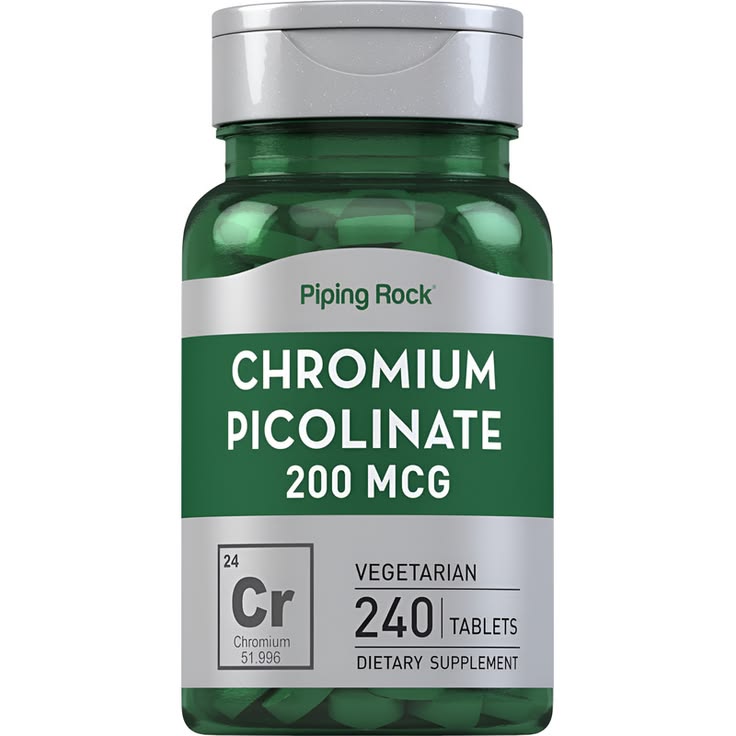
Supports:
• Insulin receptor sensitivity
• Blood sugar balance
Glucose Metabolism and Insulin Sensitivity Support
Chromium is a trace mineral involved in carbohydrate and lipid metabolism. It supports insulin signaling and cellular glucose uptake.
Metabolic balance influences cardiovascular risk over time. Supporting insulin sensitivity can be part of a broader preventive strategy.
Preferred forms:
- Chromium picolinate
- Clearly labeled microgram dosing
- Avoid megadosing
Alpha Lipoic Acid (ALA)
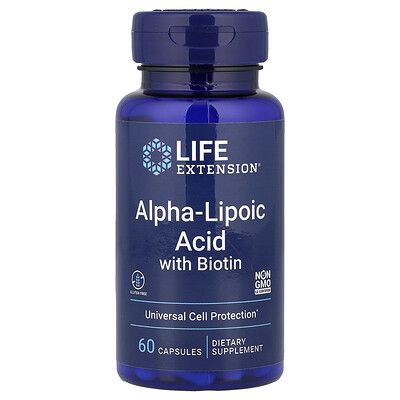
Supports:
• Antioxidant recycling
• Neuropathy protection
• Mitochondrial efficiency
Glucose Metabolism and Insulin Sensitivity Support
Chromium is a trace mineral involved in carbohydrate and lipid metabolism. It supports insulin signaling and cellular glucose uptake.
Metabolic balance influences cardiovascular risk over time. Supporting insulin sensitivity can be part of a broader preventive strategy.
Preferred forms:
- Chromium picolinate
- Clearly labeled microgram dosing
- Avoid megadosing
🌙 Sleep Optimization
Magnesium Glycinate
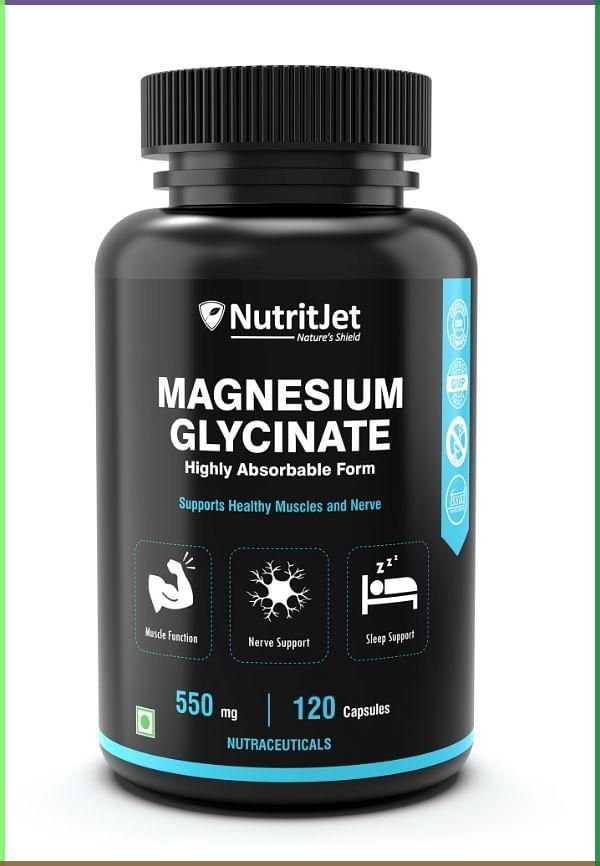
Supports:
• Nervous system calming
• GABA modulation
• Sleep latency reduction
Magnesium for Sleep Regulation and Nervous System Balance
Magnesium plays a regulatory role in the parasympathetic nervous system, the branch responsible for rest and recovery. It supports GABA receptor activity, which contributes to calming neural excitation and preparing the body for sleep onset.
Unlike sedative agents, magnesium does not force sleep. Instead, it supports the physiological conditions necessary for natural sleep initiation.
Individuals experiencing:
- Elevated stress load
- Evening mental overactivity
- Muscle tension before bed
may consider structured magnesium support as part of a broader sleep optimization strategy.
Forms such as magnesium glycinate are often preferred for their gentle effect on digestion and favorable calming profile.
L-Theanine
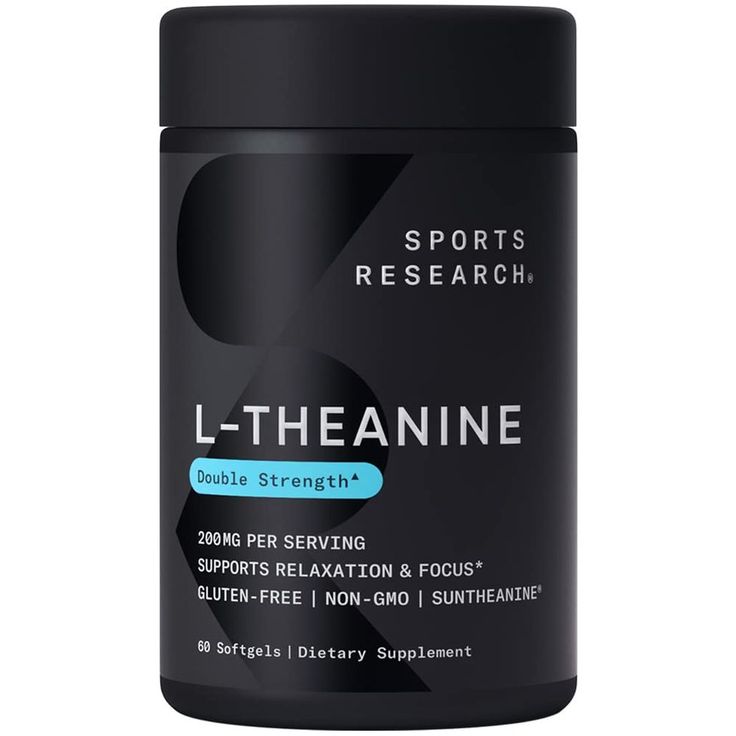
Supports:
• Alpha brain wave production
• Relaxation without sedation
Calm Cognitive Support
L-Theanine is an amino acid known for promoting alpha brain wave activity associated with relaxed alertness. It may support stress reduction without sedation.
For individuals balancing cardiovascular monitoring with high cognitive demand, calm focus matters.
🧠 STRESS & NERVOUS SYSTEM REGULATION
Chronic sympathetic activation elevates blood pressure, disrupts sleep, and alters hormonal balance.
Ashwagandha (Standardized KSM-66 / Sensoril)
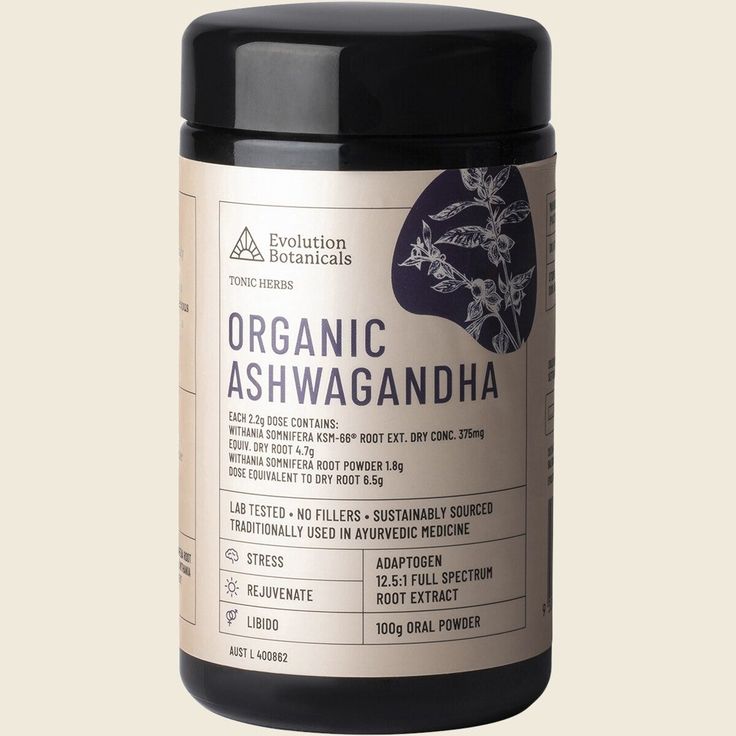
Supports:
• Cortisol modulation
• Stress resilience
• Sleep quality
Adaptogenic Stress Modulation
Ashwagandha is categorized as an adaptogen — a compound that may help the body adapt to physiological stress. Standardized extracts have been studied for cortisol modulation and perceived stress reduction.
Chronic stress influences blood pressure, sleep, and metabolic function. Structured stress modulation is part of cardiovascular optimization.
Look for:
- Standardized root extract
- Clearly labeled withanolide percentage
- Reputable manufacturer transparency
Rhodiola Rosea
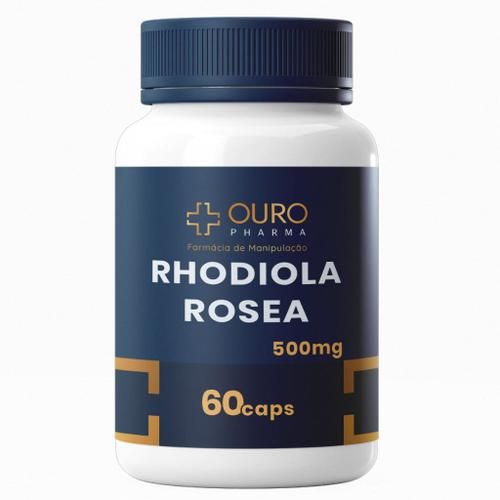
Supports:
• Adaptogenic fatigue resistance
• Cognitive endurance
Fatigue Resistance and Stress Adaptation
Rhodiola is an adaptogenic herb studied for its ability to support resilience under physical and mental stress.
Chronic stress influences vascular tone and sleep regulation. Structured stress modulation supports overall cardiovascular balance.
Choose:
- Standardized rosavin/salidroside content
- Root extract
- Third-party testing
L-Theanine
Supports:
• Alpha brain wave production
• Calm focus without sedation
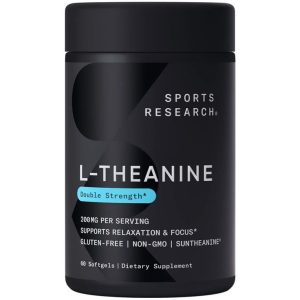
Calm Focus Without Sedation
L-Theanine promotes alpha brain wave activity associated with relaxed alertness. It supports stress reduction without impairing cognition.
It may be used:
- As part of structured stress management
- During high cognitive workload
- To counterbalance caffeine stimulation
SLEEP ARCHITECTURE SUPPORT
Sleep disruption increases cardiovascular and metabolic risk.
Magnesium Glycinate
Supports parasympathetic activation.
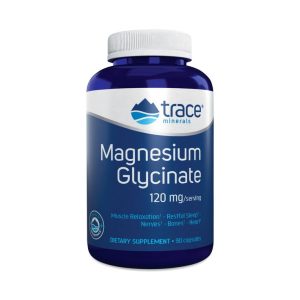
Magnesium and Sleep Architecture Stability
Beyond helping with sleep onset, magnesium may influence sleep architecture — the structure and distribution of sleep stages throughout the night.
Sleep architecture includes:
- Light sleep
- Deep (slow-wave) sleep
- REM sleep
Deep sleep is particularly important for cardiovascular recovery, growth hormone regulation, and cellular repair.
Magnesium contributes to neuromuscular relaxation and central nervous system modulation, which may support smoother transitions between sleep cycles.
Rather than simply increasing sleep duration, magnesium may help support restorative sleep quality.
Melatonin (Short-Term Support)
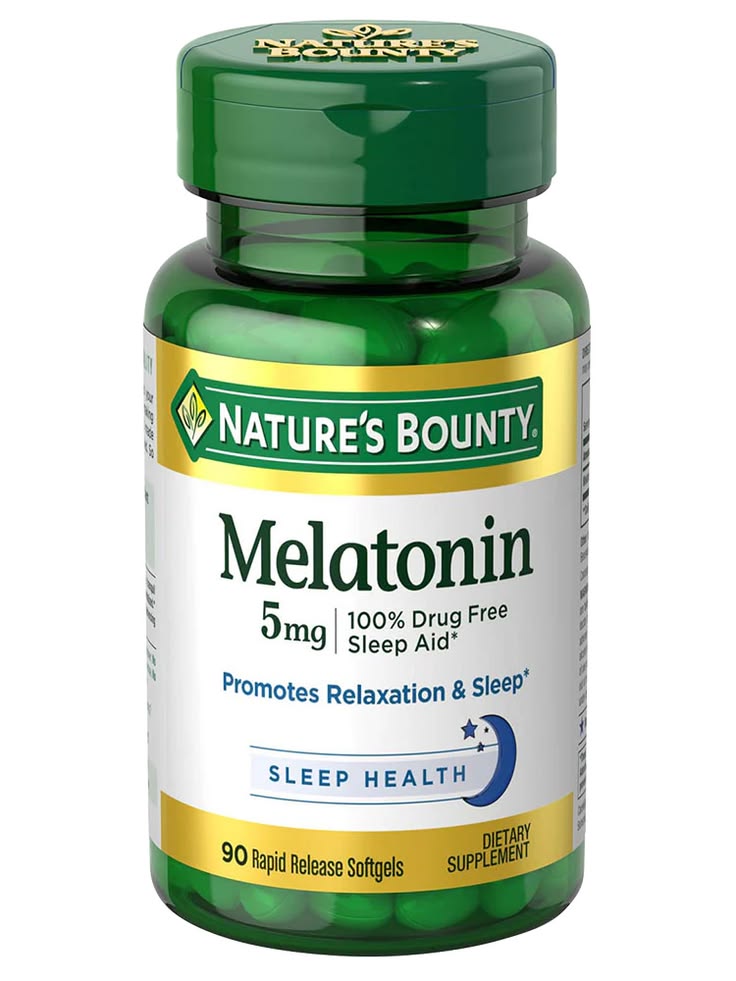
Regulates circadian rhythm signaling.
Circadian Rhythm Regulation
Melatonin is a hormone involved in regulating the sleep-wake cycle. Consistent sleep patterns are foundational to cardiovascular and metabolic stability.
Poor sleep contributes to:
- Stress hormone dysregulation
- Blood pressure fluctuation
- Metabolic imbalance
When supplementing:
- Use low-to-moderate dosing
- Short-term structured use
- Avoid excessive nightly dosing
Glycine
Supports sleep onset and thermoregulation.
Sleep Quality and Metabolic Support
Glycine is an amino acid involved in neurotransmission and collagen synthesis. It has been studied for supporting sleep onset and core body temperature regulation.
It may also contribute to:
- Liver detox pathways
- Metabolic balance
- Collagen support
Powder form is commonly used for flexibility in dosing.
🛡️ IMMUNE & INFLAMMATORY BALANCE
Image suggestion: Immune cell illustration
Alt text: immune modulation
Vitamin D3
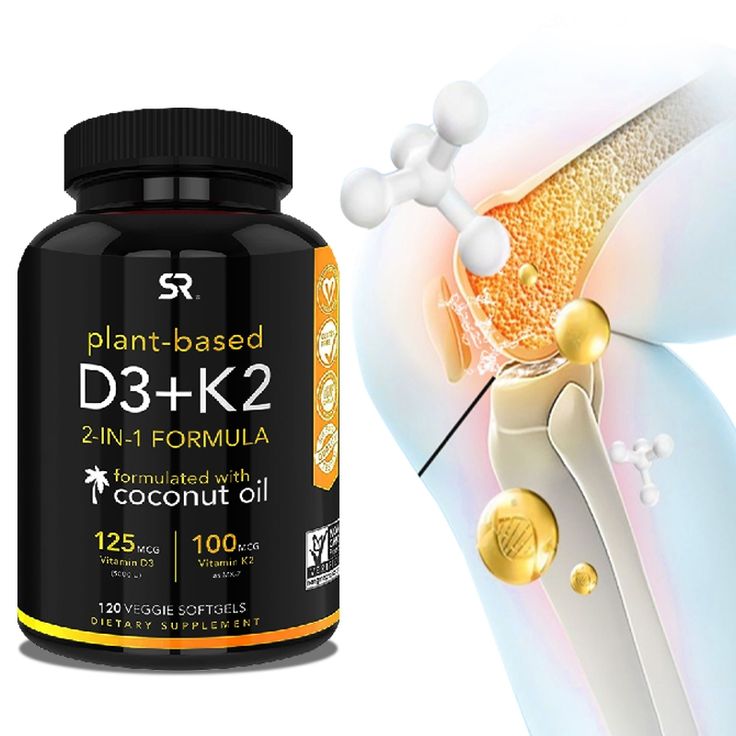
Supports:
• Immune signaling
• Inflammatory balance
• Cardiometabolic protection
Immune Modulation and Hormonal Signaling
Vitamin D functions more like a hormone than a vitamin. It plays roles in immune modulation, inflammatory balance, bone metabolism, and vascular health.
Deficiency is common globally due to limited sun exposure and indoor lifestyle.
When supplementing:
- Consider blood level testing when possible
- Use D3 form
- Fat-containing meal improves absorption
Deficiency is widespread globally.
Zinc
Zinc supports:
• T-cell immune activation
• Antioxidant enzyme systems
• Hormonal stability
• Wound healing
• Reproductive health
Zinc deficiency may impair immune resilience and endocrine balance.
Supplementation should remain within safe dosage ranges (typically 15–30 mg daily unless medically supervised).
Immune Intelligence and Cellular Repair
Zinc is essential for immune signaling, wound healing, DNA synthesis, and enzymatic function. It supports both innate and adaptive immune responses.
Suboptimal zinc levels may affect:
- Immune resilience
- Skin integrity
- Hormonal balance
- Taste and appetite regulation
Zinc also contributes to antioxidant defense systems and plays a role in testosterone regulation in men.
When selecting zinc:
- Picolinate or gluconate forms are commonly used
- Avoid excessive long-term dosing
- Pairing with copper balance may be considered in prolonged use
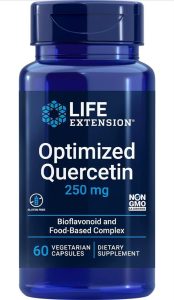
🔥 Quercetin
Supports:
• Antioxidant pathways
• Immune modulation
Sleep Quality and Metabolic Support
Glycine is an amino acid involved in neurotransmission and collagen synthesis. It has been studied for supporting sleep onset and core body temperature regulation.
It may also contribute to:
- Liver detox pathways
- Metabolic balance
- Collagen support
Powder form is commonly used for flexibility in dosing.
⚖️ REPRODUCTIVE & HORMONAL SUPPORT
Maca Root
Supports hormonal equilibrium and vitality.
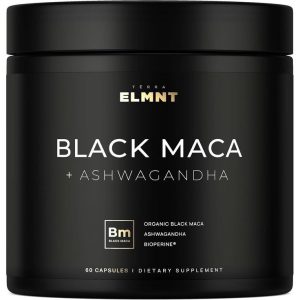
Hormonal Vitality Support
Maca root is traditionally used to support energy, mood, and hormonal balance.
It may be considered for:
- Stress resilience
- Libido and vitality
- Energy support without stimulants
Choose:
- Gelatinized maca for digestibility
- Root-only extract
Evening Primrose Oil
Supports menstrual comfort and inflammatory balance.
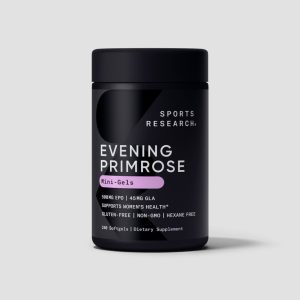
Hormonal and Inflammatory Balance
Evening primrose oil provides gamma-linolenic acid (GLA), an omega-6 fatty acid involved in inflammatory regulation and hormonal pathways.
It may support:
- Skin integrity
- Hormonal fluctuation balance
- Inflammatory response modulation
DIM (Diindolylmethane)
Supports estrogen metabolism pathways.
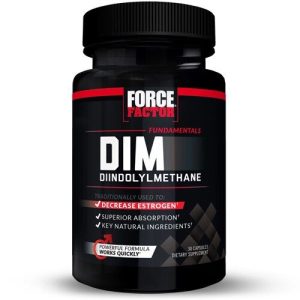
Estrogen Metabolism Support
DIM is derived from cruciferous vegetables and is studied for its role in estrogen metabolism pathways.
Balanced estrogen metabolism contributes to hormonal stability in both men and women.
Consider:
- Professional guidance if managing hormone-sensitive conditions
- Stabilized DIM formulations
- Moderate dosing
SAFETY & RESPONSIBLE USE
Supplementation is supportive — not curative.
Before initiating:
• Review medications
• Check contraindications
• Avoid excessive stacking
• Prioritize third-party tested brands
If managing hypertension, diabetes, or hormonal conditions, consult a licensed healthcare professional.
Optimization is structured — not impulsive.
STRATEGIC CALL TO ACTION
You monitor your blood pressure.
You manage stress.
You track sleep.
- Now support the systems underneath those metrics.
- Explore clinically studied options above and implement strategically.
- Prevention compounds.
- Neglect compounds faster.
Check out Guide on how to measure your blood pressure correctly at home:
Why Strategic Supplementation Matters
Waiting for dysfunction is reactive.
Monitoring and supporting physiological systems early is preventive.
The modern environment increases oxidative stress, dietary imbalance, and chronic nervous system activation.
Intentional supplementation can act as a physiological support layer — not a replacement for lifestyle — but an amplifier of it.
Medical Disclaimer
This content is for educational purposes only and does not substitute medical advice.