
How to Measure Blood Pressure Correctly at Home for Accurate Readings
Learning how to measure blood pressure correctly at home is essential for anyone monitoring cardiovascular health. Inaccurate technique can lead to misleading readings, unnecessary anxiety, or missed early warning signs.
When done properly, home blood pressure monitoring provides more consistent trend data than occasional clinic visits. Understanding how to measure blood pressure correctly at home ensures your readings reflect your true resting levels rather than temporary fluctuations.
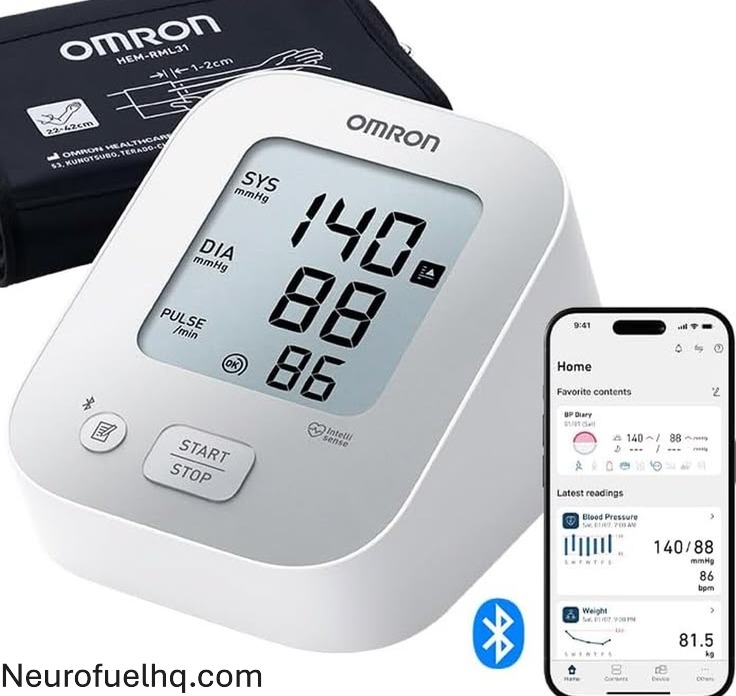
This guide explains the correct preparation, positioning, timing, and device selection required for accurate measurement.
Use a Clinically Validated Home Blood Pressure Monitor
Accurate measurement starts with a clinically validated upper-arm device. Wrist monitors and unverified models often produce inconsistent readings, which can distort long-term tracking.
If you do not know how to interpret your blood pressure readings, check 2026 guide on blood pressure by age
Table of Contents
Why Accurate Home Blood Pressure Measurement Matters
Blood pressure fluctuates naturally throughout the day. Stress, posture, caffeine, movement, and even conversation can influence readings.
When you understand how to measure blood pressure correctly at home, you:
- Reduce false high readings
- Detect long-term trends
- Support better discussions with healthcare professionals
- Avoid unnecessary medication adjustments
Home monitoring is most effective when performed consistently and methodically.
What Is Considered an Accurate Home Blood Pressure Reading?
When learning how to measure blood pressure correctly at home, accuracy depends on three main variables:
• Proper cuff size
• Consistent body positioning
• Repeated measurements over time
According to The Canadian Journal of Cardiology, for most adults, a normal home reading is generally below 135/85 mmHg. Home readings are typically slightly lower than clinic readings due to reduced “white coat effect.”
Measuring under identical conditions daily improves reliability and reduces unnecessary concern over isolated fluctuations.
Step 1: Choose a Clinically Validated Device
Before learning how to measure blood pressure correctly at home, you must ensure you are using a reliable device.
Upper-arm automatic monitors are generally preferred over wrist monitors due to improved accuracy and stability.
When selecting a device, look for:
- Clinical validation certification
- Proper cuff sizing options
- Memory storage for multiple readings
- Averaging capability
If you are unsure which device to choose, review our guide to clinically reliable home monitoring devices.
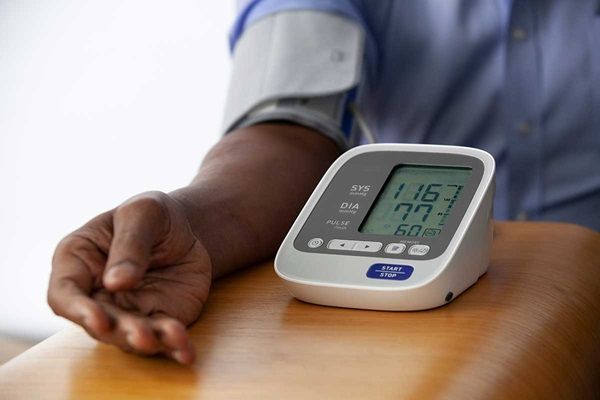
Step 2: Prepare Properly Before Measurement
Correct preparation is a critical part of how to measure blood pressure correctly at home.
Before measuring:
- Avoid caffeine for at least 30 minutes
- Avoid smoking or exercise 30 minutes prior
- Empty your bladder
- Sit quietly for 5 minutes before measuring
Taking a reading immediately after climbing stairs or during emotional stress can produce artificially elevated numbers.
Step 3: Use Proper Sitting Position
Body position directly affects blood pressure readings.
To measure blood pressure correctly at home:
- Sit upright with back supported
- Keep feet flat on the floor
- Do not cross legs
- Rest arm on a table at heart level
- Keep palm facing upward
The cuff should be placed on bare skin, not over clothing.
Incorrect arm positioning can raise readings by 5–15 mmHg.
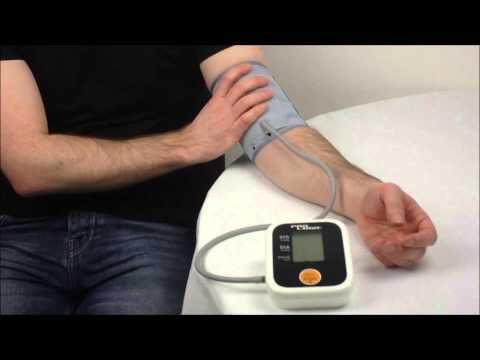
Step 4: Apply the Cuff Correctly
Place the cuff:
- On the upper arm
- About 1 inch above the elbow crease
- Snug but not overly tight
The tubing should align with the inner arm over the brachial artery.
Improper cuff placement is one of the most common reasons people fail to measure blood pressure correctly at home.
Step 5: Take Multiple Readings
Single readings are less reliable than averaged measurements.
For best accuracy
- Take 2–3 readings
- Wait 1 minute between readings
- Record the average
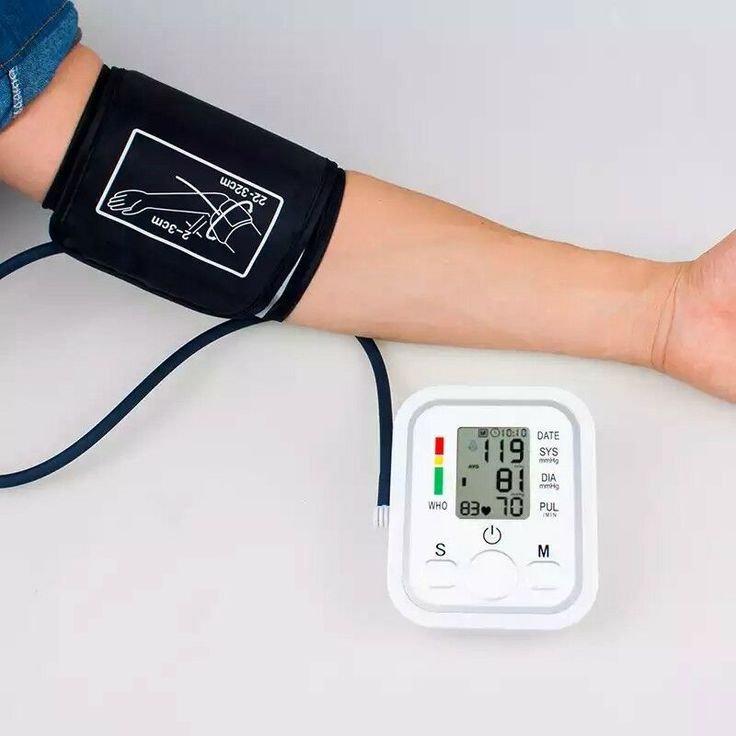
Step 6: Track Trends, Not Isolated Numbers
A single elevated reading does not confirm hypertension.
Look for:
• Consistent elevation over days
• Patterns
• Gradual increases
If unsure about your target range, review our guide on normal blood pressure by age.
When to Measure Blood Pressure at Home
Consistency is critical.
To measure blood pressure correctly at home:
- Measure at the same time daily
- Morning before medication (if applicable)
- Evening before dinner
- Avoid measuring immediately after stress
Regular timing reduces variability and improves trend reliability.
Common Mistakes That Affect Accuracy
Even small technique errors can significantly alter results when measuring blood pressure at home.
Common mistakes include:
• Talking or texting during measurement
• Sitting without back support
• Crossing legs
• Holding the arm below heart level
• Using the wrong cuff size
• Measuring over clothing
• Checking immediately after emotional stress
Each of these factors can increase systolic readings by 5–20 mmHg. That is why understanding how to measure blood pressure correctly at home is critical for dependable data.
Understanding Your Numbers
Blood pressure is recorded as:
Systolic / Diastolic
Example:
120 / 80 mmHg
Systolic = pressure during heart contraction
Diastolic = pressure during heart relaxation
Trends matter more than isolated readings.
If readings consistently appear elevated, consult a healthcare professional rather than self-adjusting medications.
When to Seek Medical Advice
Consult a healthcare professional if:
• Repeated readings exceed 140/90 mmHg
• You experience dizziness or fainting
• Systolic readings exceed 180 mmHg
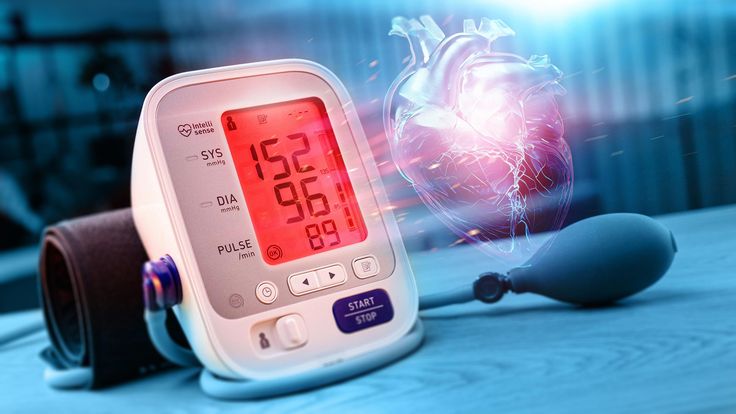
Home monitoring supports medical care — it does not replace it.
How Often Should You Measure Blood Pressure at Home?
If you are learning how to measure blood pressure correctly at home for preventive purposes, checking 2–3 times per week under consistent conditions is sufficient.
If monitoring elevated readings:
• Measure in the morning before medication
• Measure in the evening
• Record results for 7 consecutive days
Avoid over checking multiple times per hour, as anxiety can artificially increase readings.
Frequency depends on your health goals.
General guidance:
- Newly diagnosed individuals: daily
- Stable readings: 3–4 times per week
- General monitoring: weekly
Always follow professional guidance when applicable.
Supporting Cardiovascular Health Beyond Monitoring
Learning how to measure blood pressure correctly at home is only one part of cardiovascular awareness.
Other supportive strategies include:
- Structured sleep optimization
- Stress management
- Balanced nutrition
- Physical activity
- Clinically supported supplements
Monitoring combined with lifestyle optimization provides a more comprehensive approach to heart health.
Final Thoughts
Understanding how to measure blood pressure correctly at home empowers you to collect accurate data and recognize meaningful trends.
Accurate technique, proper device selection, and consistent timing are the foundation of reliable home monitoring.
When done correctly, home blood pressure tracking becomes a powerful preventive tool rather than a source of confusion.