Introduction
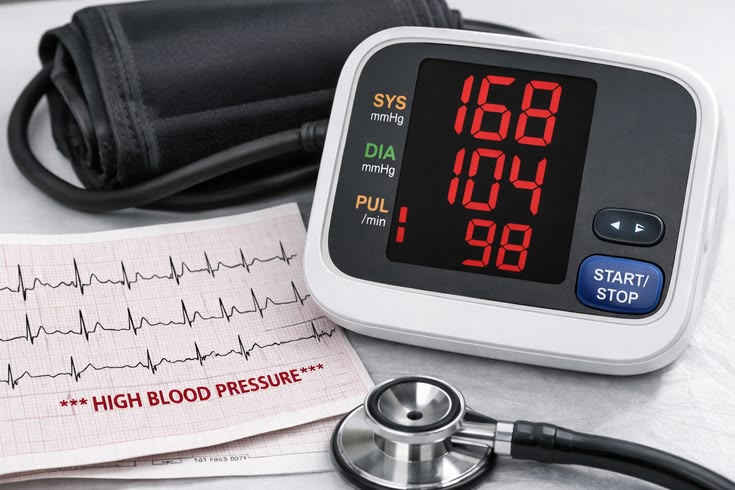
Silent signs of high blood pressure often go unnoticed for years. Hypertension is sometimes called the “silent killer” because many people live with it without obvious symptoms until serious complications develop. Recognizing the silent signs of high blood pressure early can help you take action before it leads to heart disease, stroke, or kidney damage.
However, the body sometimes sends subtle warning signals long before complications occur.
Recognizing these silent signs early can help people take preventive action, improve lifestyle habits, and monitor their cardiovascular health more carefully.
Understanding these signals—and knowing how to measure blood pressure correctly—can play a crucial role in protecting long-term heart health.
According to the World Health Organization, hypertension is one of the leading causes of heart disease and stroke worldwide.
Many people ignore the silent signs of high blood pressure because they seem mild or unrelated to cardiovascular health.
Table of Contents
1. Headaches – One of the Silent Signs of High Blood Pressure
Persistent or recurring headaches can sometimes be associated with elevated blood pressure, particularly when hypertension becomes severe.
High blood pressure may increase pressure within blood vessels in the brain, which can contribute to headaches in some individuals.
Although headaches can have many causes, frequent unexplained headaches should not be ignored.
2. Dizziness or Lightheadedness
Some people with hypertension experience episodes of dizziness or lightheadedness.
This may occur when blood pressure fluctuations affect blood flow to the brain.
If dizziness occurs regularly alongside other symptoms, it may be wise to check blood pressure levels and consult a healthcare professional.
3. Blurred Vision
Hypertension can affect the small blood vessels in the eyes.
Over time, this may lead to blurred vision or visual disturbances.
Eye specialists sometimes detect hypertensive retinopathy, a condition where high blood pressure damages the blood vessels in the retina.
4. Shortness of Breath
Uncontrolled blood pressure may place additional strain on the heart.
This increased workload can sometimes lead to shortness of breath, particularly during physical activity.
If breathing becomes unusually difficult during normal activities, it may be worth evaluating cardiovascular health.
5. Chest Discomfort
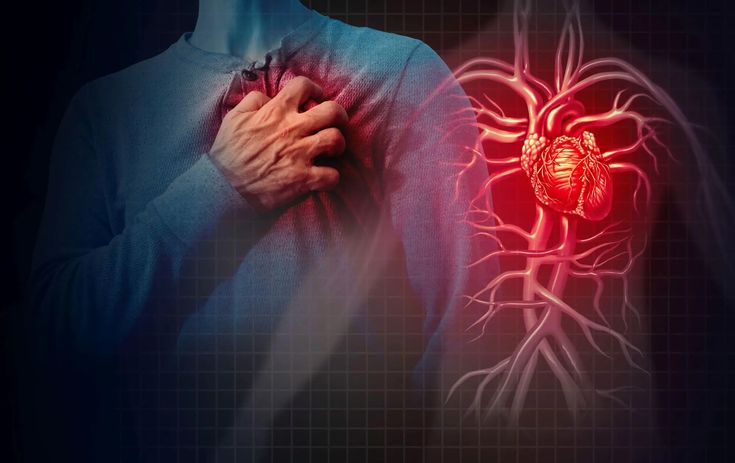
Although chest pain has many possible causes, hypertension can contribute to cardiovascular strain that affects the heart.
Chest discomfort should always be taken seriously and evaluated promptly by a healthcare professional.
6. Fatigue and Reduced Exercise Tolerance
People with poorly controlled blood pressure may experience unexplained fatigue or decreased stamina.
The heart may need to work harder to pump blood throughout the body, which can lead to reduced energy levels.
7. Nosebleeds
Frequent nosebleeds are not common, but they can sometimes occur in people with significantly elevated blood pressure.
If nosebleeds happen regularly without an obvious cause, it may be useful to check blood pressure levels.
Why Monitoring Blood Pressure Matters
Because many of the silent signs of high blood pressure are subtle or inconsistent, regular monitoring becomes extremely important.
Home blood pressure monitors allow individuals to track their readings over time and detect changes early.
Learning the correct technique for measuring blood pressure can significantly improve accuracy.
Monitoring your blood pressure at home using a reliable digital monitor can help detect hypertension early.
Supporting Cardiovascular Health
In addition to monitoring blood pressure, several lifestyle strategies may support cardiovascular health:
• Regular physical activity
• Maintaining a healthy body weight
• Reducing sodium intake
• Managing stress levels
• Prioritizing quality sleep
Certain nutrients and supplements are also commonly studied for cardiovascular support.
Conclusion
The silent signs of high blood pressure are often subtle and easily overlooked.
By paying attention to these signals and monitoring blood pressure regularly, individuals can take proactive steps toward protecting their cardiovascular health.
Early awareness and consistent lifestyle improvements can make a meaningful difference in long-term health outcomes.
Paying attention to these silent signs of high blood pressure can help you detect hypertension early and protect your long-term cardiovascular health.
What is considered normal blood pressure?
Normal blood pressure is generally around 120/80 mmHg. Readings consistently above 130/80 mmHg may indicate hypertension.
What heart rate is considered healthy?
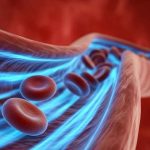
A healthy resting heart rate for adults usually ranges between 60 and 100 beats per minute.
Can high blood pressure cause headaches?
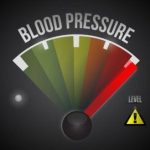
Yes. Although hypertension is often symptomless, some people experience headaches, dizziness, or nosebleeds.