
Introduction
Learning how to Optimize your cardiovascular health is one of the most important steps you can take to improve longevity, physical performance, and overall well-being. The cardiovascular system—including the heart and blood vessels—plays a critical role in delivering oxygen and nutrients throughout the body.
When cardiovascular health declines, the risk of heart disease, stroke, hypertension, and metabolic disorders increases significantly. Learning how to optimize cardiovascular health through lifestyle, nutrition, and monitoring can help protect long-term health.
According to the World Health Organization, cardiovascular disease remains the leading cause of death globally.
Below are ten powerful strategies that support cardiovascular function and overall human optimization.
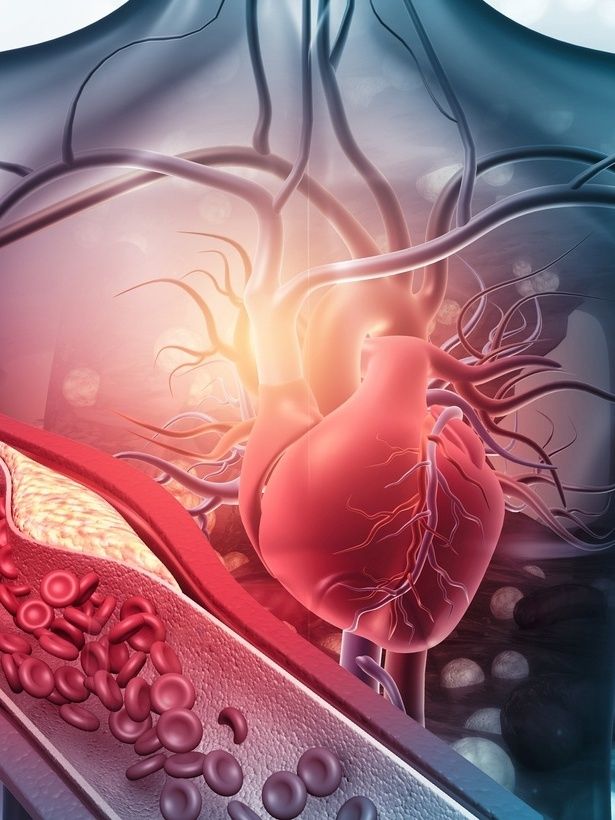
Arterial stiffening, chronic stress exposure, and impaired nitric oxide production can silently increase long-term cardiovascular risk.
Table of Contents
1. Maintain a Healthy Body Weight
Excess body weight places additional strain on the heart and circulatory system. Over time, obesity increases the risk of hypertension, diabetes, and cardiovascular disease.
Even modest weight loss can significantly improve blood pressure levels, cholesterol balance, and overall heart function.
2. Exercise Regularly
Physical activity is one of the most effective ways to optimize cardiovascular health. Aerobic exercises such as walking, cycling, and swimming strengthen the heart and improve circulation.
Most health authorities recommend at least 150 minutes of moderate exercise per week.
Regular exercise can help:
• lower blood pressure
• improve cholesterol levels
• enhance metabolic health
• increase cardiovascular endurance
3. Eat a Heart-Healthy Diet
Nutrition plays a major role in cardiovascular health. Diets rich in whole foods help support healthy blood vessels and reduce inflammation.
Heart-healthy foods include:
• vegetables and fruits
• whole grains
• healthy fats such as olive oil
• nuts and seeds
• fatty fish rich in omega-3 fatty acids
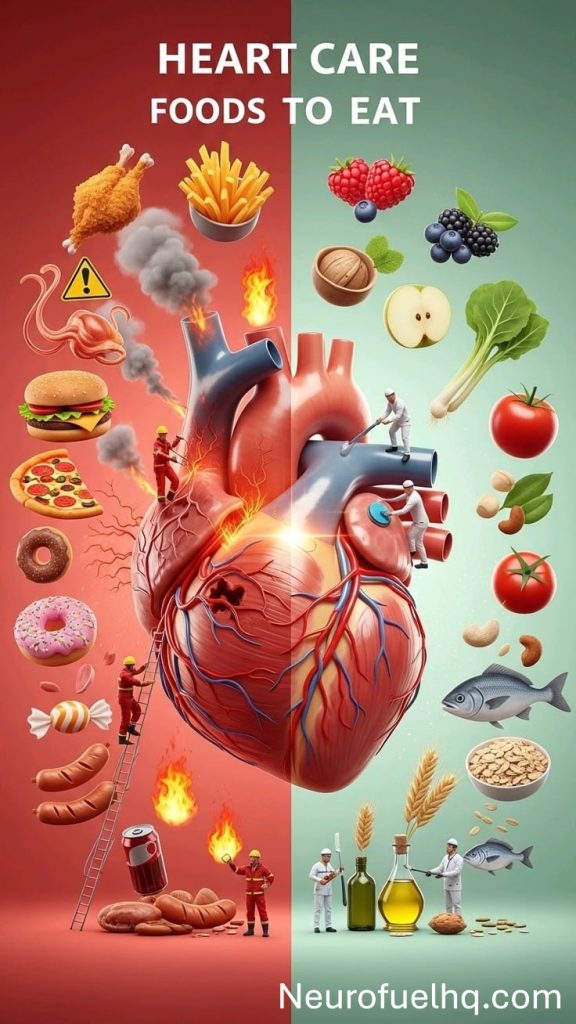
Limiting processed foods and refined sugars can also help reduce cardiovascular risk.
4. Reduce Excess Sodium Intake
High sodium consumption can contribute to elevated blood pressure.
Reducing sodium intake by limiting processed foods and choosing fresh ingredients can significantly improve blood pressure control.
The World Health Organization recommends limiting daily sodium intake to approximately 2 grams per day.
5. Manage Stress Levels
Chronic stress can negatively affect cardiovascular health by increasing blood pressure and triggering hormonal responses that strain the heart.
Stress-management techniques such as meditation, breathing exercises, and regular physical activity can help maintain healthy cardiovascular function.
6. Improve Sleep Quality
Poor sleep is strongly associated with hypertension and metabolic disorders.
Adults should aim for 7–9 hours of quality sleep each night to support cardiovascular recovery and hormonal balance.
Sleep plays an essential role in regulating blood pressure and reducing cardiovascular strain.
7. Quit Smoking and Limit Alcohol
Smoking damages blood vessels and significantly increases the risk of heart disease and stroke.
Excessive alcohol consumption can also raise blood pressure and weaken heart function over time.
Avoiding tobacco and limiting alcohol intake are essential steps for improving cardiovascular health.
8. Monitor Blood Pressure Regularly
Regular monitoring allows individuals to detect early changes in blood pressure before serious complications develop.
Learning the proper technique for measuring blood pressure at home is important for accurate readings.
You can read our guide on how to measure blood pressure correctly at home.
9. Support Heart Health With Key Nutrients
Several nutrients are commonly studied for their role in cardiovascular support.
Examples include:
• magnesium
• omega-3 fatty acids
• coenzyme Q10
• potassium
These nutrients help support healthy blood pressure, circulation, and cellular energy production. See clinically supported supplements:
10. Schedule Regular Health Checkups
Routine health checkups allow healthcare professionals to detect cardiovascular risk factors early.
Monitoring cholesterol levels, blood pressure, and metabolic health can help prevent long-term complications.
Early detection and proactive lifestyle changes are key components of cardiovascular optimization.
Risk Factors to consider
1. Arterial Stiffening
With age and prolonged inflammation, arteries lose elasticity. This reduces their ability to expand with each heartbeat, increasing systolic pressure.
Why It Matters
Stiffer arteries:
• Increase cardiac workload
• Elevate systolic blood pressure
• Reduce efficient circulation
How to improve Arterial Flexibility:
• Regular aerobic exercise (30 minutes daily)
• Resistance training 2–3x weekly
• Omega-3 rich nutrition
• Adequate magnesium intake
• Smoking cessation
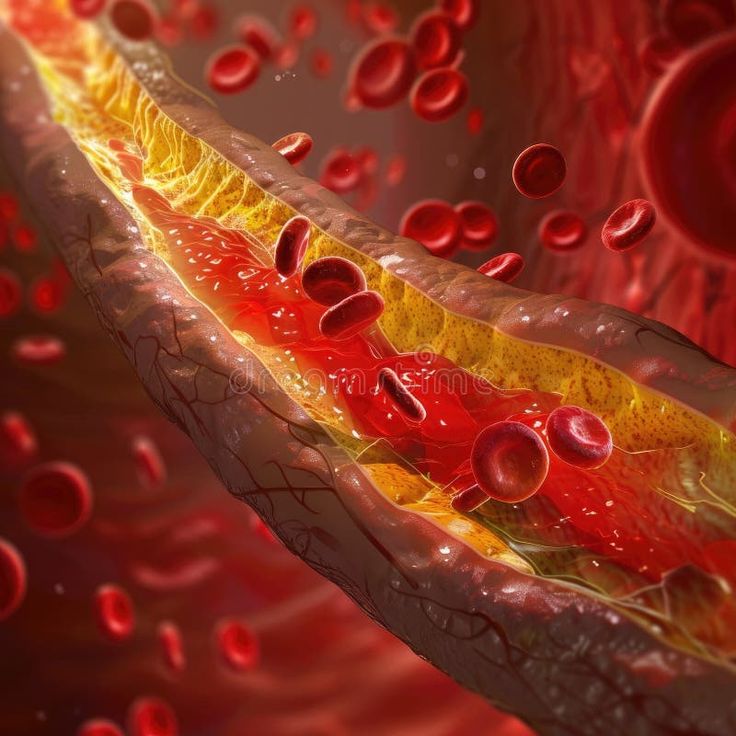
Certain nutrients such as magnesium, omega-3 fatty acids, and polyphenols have been studied for their role in supporting vascular function.
2. Reduced Nitric Oxide Availability
What Is Nitric Oxide?
Nitric oxide (NO) is a signaling molecule that relaxes blood vessels, improving circulation and lowering vascular resistance.
Levels naturally decline due to:
• Aging
• High-sugar diets
• Oxidative stress
• Sedentary behavior
Strategies to Support Nitric Oxide
• Beetroot-rich foods
• Leafy greens (nitrate sources)
• Regular exercise
• Vitamin C intake
• L-arginine and L-citrulline (when appropriate)
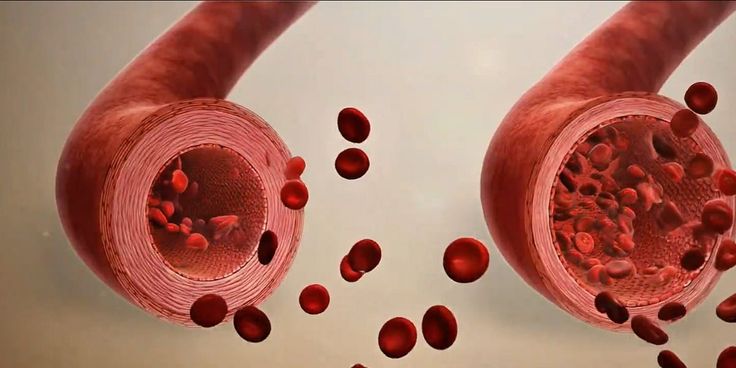
Nitric oxide optimization is a major target in preventive cardiovascular strategies.
3. Long-Term Sodium Exposure
Excess sodium contributes to fluid retention and elevated blood pressure in salt-sensitive individuals.
Practical Adjustments
• Limit processed foods
• Prioritize whole foods
• Increase potassium-rich vegetables
• Stay hydrated
Balance matters more than elimination.
4. Sedentary Lifestyle
Prolonged inactivity reduces:
• Insulin sensitivity
• Endothelial function
• Circulatory efficiency
Even modest activity dramatically improves vascular markers.
Minimum target:
150 minutes moderate activity per week.
5. Chronic Stress
Chronic stress activates the sympathetic nervous system.
This leads to:
• Elevated cortisol
• Increased heart rate
• Sustained blood pressure elevation
• Endothelial dysfunction
Stress Optimization Tools
• Deep breathing exercises
• Consistent sleep schedule
• Meditation
• Structured routines
• Magnesium glycinate supplementation (for some individuals)
Stress regulation is often the most overlooked cardiovascular intervention
Evidence-Based Supplement Support for Cardiovascular Health
While lifestyle remains foundational, certain supplements have been studied for cardiovascular support:
• Magnesium (vascular relaxation support)
• Omega-3 fatty acids
• CoQ10
• Beetroot extract
• Potassium (when medically appropriate)
Always consult a healthcare professional before beginning supplementation, especially if taking antihypertensive medications.
Integrated Cardiovascular Optimization Plan
To optimize cardiovascular health:
- Monitor blood pressure trends
- Improve vascular flexibility
- Support nitric oxide pathways
- Reduce stress load
- Maintain metabolic balance

Small daily adjustments compound into measurable long-term impact.
Final Thoughts
Learning how to optimize cardiovascular health is one of the most effective ways to improve long-term wellness and longevity. By combining regular exercise, balanced nutrition, stress management, and proper health monitoring, individuals can significantly reduce their risk of cardiovascular disease.
Small, consistent lifestyle improvements can make a powerful difference in protecting heart health over time.
Cardiovascular decline is rarely sudden. It develops gradually through modifiable physiological shifts.
Proactive optimization — rather than reactive treatment — offers the strongest long-term protection.
Structured lifestyle adjustments combined with evidence-informed support strategies can significantly improve vascular health markers over time.
Frequently Asked Questions:
What is the fastest way to improve cardiovascular health?
Regular aerobic exercise, a balanced diet, stress management, and proper sleep can significantly improve cardiovascular health over time.
Can supplements support cardiovascular health?

Some supplements such as omega-3 fatty acids, magnesium, and CoQ10 are commonly studied for cardiovascular support.
How often should you check your blood pressure?
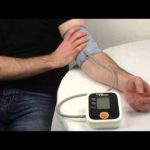
Adults should monitor their blood pressure regularly, especially if they have risk factors such as obesity, stress, or a family history of hypertension.