
INTRODUCTION
Normal blood pressure by age is an important health indicator that helps determine whether the cardiovascular system is functioning properly. Blood pressure measures the force of blood pushing against the walls of the arteries as the heart pumps.
While healthy blood pressure ranges are generally similar for most adults, age, lifestyle, and overall health can influence blood pressure levels over time. Understanding normal blood pressure by age helps individuals monitor their cardiovascular health and detect early signs of hypertension.
Regular monitoring is essential because high blood pressure often develops silently without noticeable symptoms.
Table of Contents
What Blood Pressure Numbers Mean
Blood pressure readings contain two numbers:
Systolic Pressure
The top number represents the pressure in the arteries when the heart beats.
Diastolic Pressure
The bottom number represents the pressure when the heart rests between beats.
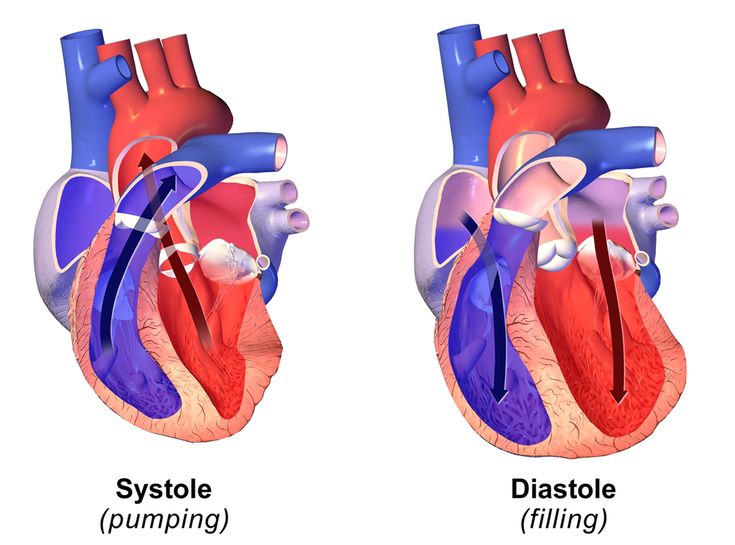
A typical reading is written as:
120/80 mmHg
Maintaining values within the normal range is an important part of cardiovascular health.
Normal Blood Pressure by Age Chart
Although ideal blood pressure targets are similar for most adults, typical ranges can vary slightly with age.
Blood Pressure Guide by Age
| Age Group | Normal Blood Pressure Range |
|---|---|
| 18–39 years | 90/60 – 120/80 mmHg |
| 40–59 years | 90/60 – 130/85 mmHg |
| 60+ years | 90/60 – 140/90 mmHg |
These values provide a general guideline for interpreting blood pressure measurements.
Blood Pressure Categories Explained
Healthcare providers generally classify blood pressure into several categories.
Normal
Less than 120/80 mmHg
Elevated
120–129 systolic and less than 80 diastolic
Stage 1 Hypertension
130–139 systolic or 80–89 diastolic
Stage 2 Hypertension
140/90 mmHg or higher
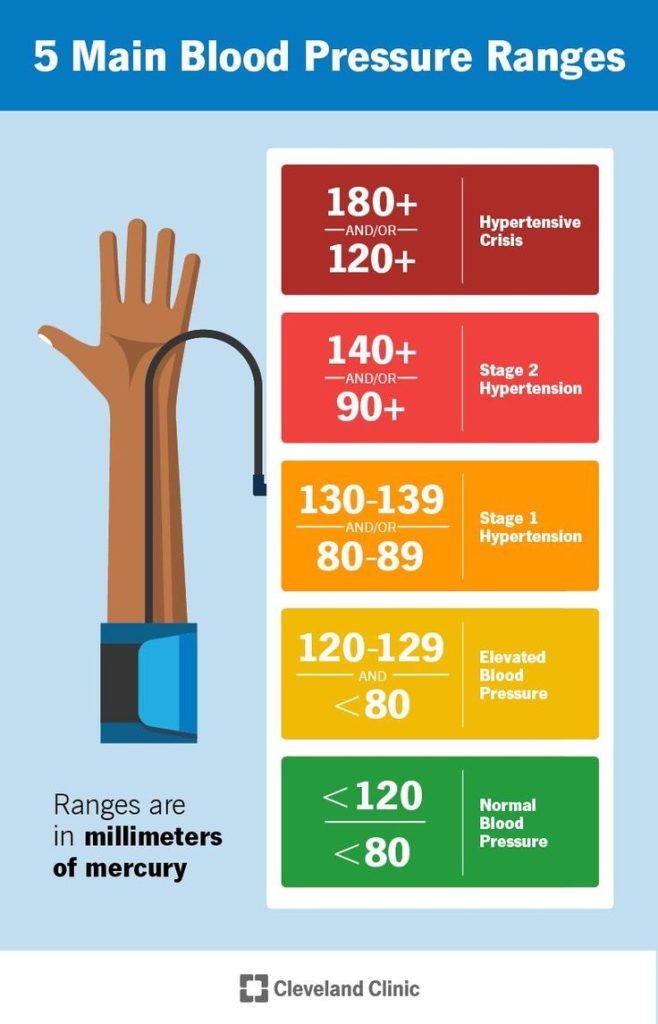
According to the World Health Organization (WHO), persistent readings above these ranges may require medical evaluation.
Factors That Affect Blood Pressure
Several factors influence blood pressure levels throughout life.
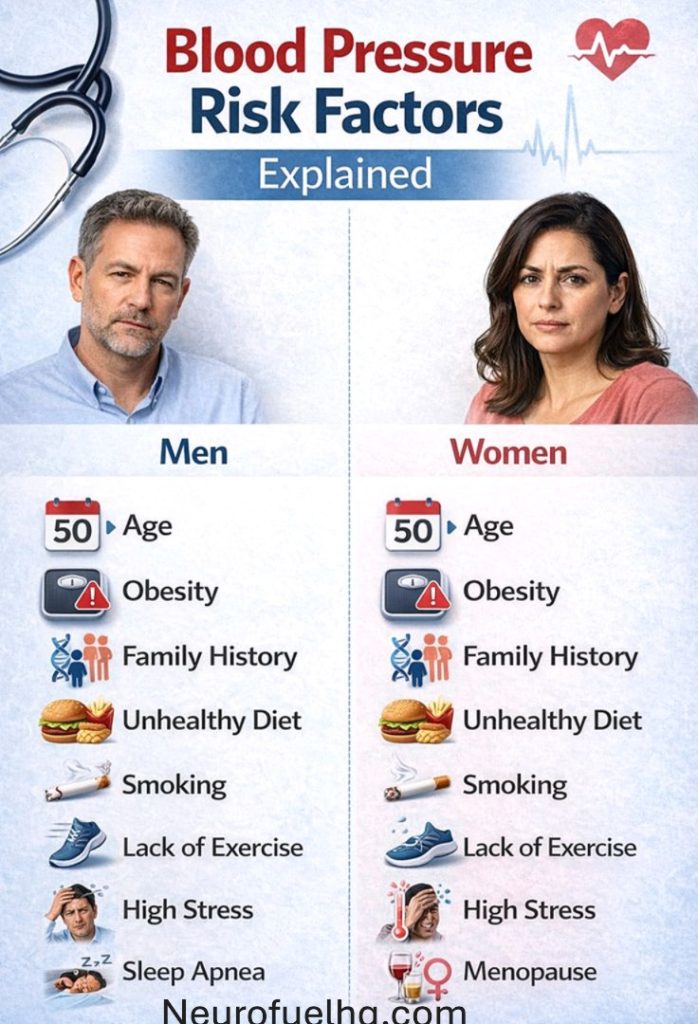
Age: Blood vessels gradually become less flexible with age, which can increase blood pressure.
Diet: High sodium intake and processed foods may contribute to elevated blood pressure.
Physical Activity: Regular exercise helps maintain healthy blood pressure levels.
Stress: Chronic stress can temporarily increase blood pressure and contribute to long-term cardiovascular strain.
Genetics: Family history may increase the risk of developing hypertension.
When Blood Pressure Becomes Dangerous
High blood pressure often develops without noticeable symptoms, which is why it is frequently called the “silent killer.”
People with elevated blood pressure may experience warning signs such as:
• headaches
• dizziness
• fatigue
• blurred vision
You can learn more about these warning signals in our guide on silent signs of high blood pressure.
How to Monitor Blood Pressure at Home
Home monitoring helps detect changes in blood pressure before complications develop.
Using the best blood pressure monitor for home use allows individuals to track readings consistently and identify patterns over time.
For accurate measurements:
• sit comfortably and rest for several minutes before measuring
• keep the cuff at heart level
• avoid talking during the reading
• record results regularly
Consistent monitoring allows healthcare providers to evaluate trends and recommend appropriate lifestyle or treatment adjustments.
Why Blood Pressure Increases with Age
Several physiological factors contribute:
• Arterial stiffening
• Reduced nitric oxide availability
• Long-term dietary sodium exposure
• Sedentary lifestyle
• Chronic stress
Monitoring trends becomes more important after age 35.
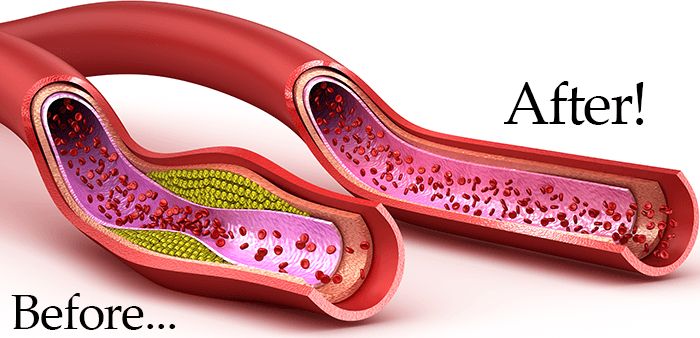
Health optimization is the key to this shift!
Are you interested in Optimizing your Cardiovascular Health?
When Should You Start Monitoring at Home?
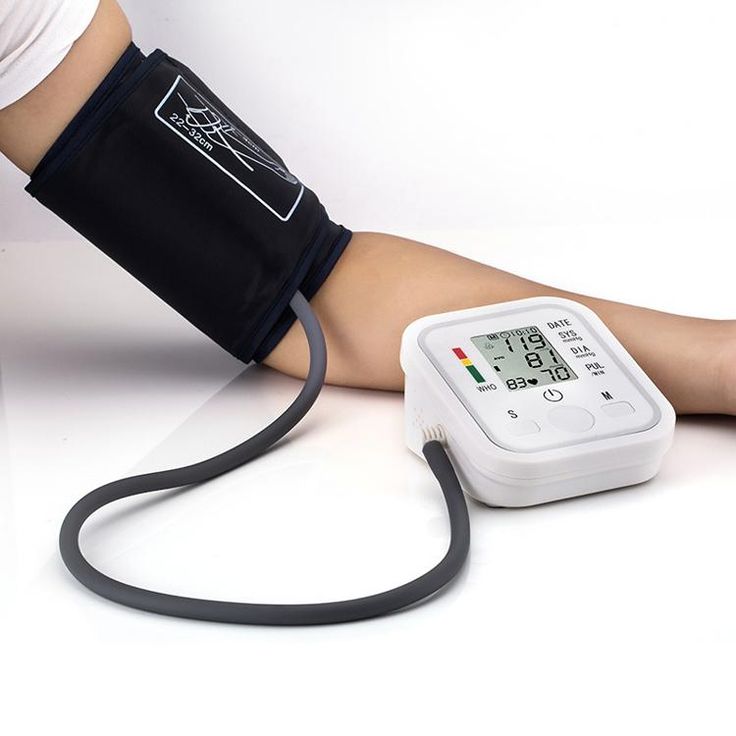
Home monitoring is especially valuable if:
• You are over 35
• You have family history of hypertension
• You experience headaches or dizziness
• You are optimizing long-term health
Upper-arm monitors provide the most reliable readings for home use.
👉 If you’re considering tracking your readings consistently, see our detailed guide on choosing a reliable home blood pressure monitor.
How often should blood pressure be checked?
For preventive monitoring:
• Healthy adults: 1–2 times weekly
• Elevated readings: Daily at consistent times
• Under treatment: As advised by physician
Always measure after sitting quietly for 5 minutes.
Frequently Asked Questions:
Is 140/90 normal at 60 years old?

While systolic pressure may rise slightly with age, consistent readings at or above 140/90 mmHg are generally considered hypertensive and should be evaluated by a healthcare provider.
Is 110/70 too low?
For many healthy adults, 110/70 mmHg is considered optimal unless symptoms such as dizziness or fainting occur.
Does blood pressure rise suddenly with age?

Blood pressure typically increases gradually due to arterial stiffening and metabolic factors rather than suddenly.
What is the ideal blood pressure for adults?
Most healthcare guidelines consider 120/80 mmHg to be the ideal blood pressure for healthy adults.
Final Thoughts
Understanding normal blood pressure by age helps individuals identify healthy cardiovascular ranges and recognize early warning signs of hypertension. Monitoring blood pressure regularly, maintaining a balanced diet, staying physically active, and managing stress are essential strategies for protecting long-term heart health.
Early awareness and consistent monitoring can help prevent many complications associated with high blood pressure.
While slight increases in systolic blood pressure can occur with age, persistent elevation above recommended thresholds should never be ignored. Consistent home tracking allows early detection and proactive adjustments that support long-term cardiovascular stability.
Preventive monitoring is not reactive medicine — it is structured health optimization.