
Best magnesium glycinate for sleep supplements have become increasingly popular among people looking for natural ways to improve sleep quality, reduce nighttime restlessness, and support nervous system relaxation.
Magnesium plays a critical role in regulating the body's stress response and sleep cycle. When magnesium levels are low, individuals may experience difficulty falling asleep, poor sleep quality, muscle tension, or nighttime anxiety.
Magnesium glycinate is widely considered one of the most effective and gentle forms of magnesium for sleep support because it is highly absorbable and less likely to cause digestive discomfort compared to other forms.

In this guide, we will explain how magnesium glycinate supports sleep, recommended dosage, safety considerations, and how to choose the best magnesium glycinate supplement.
Table of Contents
What Is Magnesium Glycinate?
Magnesium glycinate is a compound formed by combining magnesium with glycine, an amino acid that supports relaxation and nervous system balance.
Unlike some magnesium forms that can irritate the digestive system, magnesium glycinate is known for:
- high bioavailability
- gentle digestion
- calming effects on the nervous system
Because glycine itself has relaxing properties, magnesium glycinate is often recommended for individuals struggling with insomnia, stress-related sleep disturbances, or nighttime muscle tension.
According to the National Institutes of Health, magnesium plays a key role in hundreds of biochemical reactions, including those involved in nerve function, muscle relaxation, and sleep regulation.
Why Magnesium Helps Improve Sleep
Magnesium supports sleep and recovery through several important physiological mechanisms.
Nervous System Regulation
Magnesium helps regulate neurotransmitters that calm the nervous system, including gamma-aminobutyric acid (GABA). GABA promotes relaxation and helps the brain transition into sleep.
Stress Hormone Control
Low magnesium levels may contribute to elevated cortisol levels, which can interfere with the body's natural sleep rhythm.
Magnesium supplementation may help support a healthier stress response.

Muscle Relaxation
Magnesium helps relax muscles and prevent nighttime cramps or tension that can disrupt sleep.
Sleep Cycle Support
Magnesium may help regulate melatonin production, the hormone responsible for controlling the body's circadian rhythm.
Research discussed by the Sleep Foundation suggests magnesium may support improved sleep quality in individuals with low magnesium levels.
Benefits of Magnesium Glycinate for Sleep
Many individuals use magnesium glycinate supplements for the following potential benefits:
Improved Sleep Quality
Magnesium glycinate may support deeper and more restorative sleep and recovery.
Reduced Nighttime Anxiety
Because glycine has calming effects, this form of magnesium may help reduce racing thoughts at bedtime.
Muscle Relaxation
Magnesium helps prevent muscle tightness that can interfere with falling asleep.
Gentle Digestion
Unlike magnesium oxide or citrate, magnesium glycinate is less likely to cause diarrhea or digestive discomfort.
Recommended Dosage for Sleep Support
The appropriate dosage of magnesium glycinate can vary depending on individual needs.
General guidance suggests:
- 200–400 mg per day for sleep support
- taken 30–60 minutes before bedtime
Some supplements combine magnesium glycinate with additional calming ingredients such as glycine or L-theanine.
However, individuals should avoid exceeding recommended daily intake unless advised by a healthcare professional.
How to Choose the Best Magnesium Glycinate for Sleep and Recovery
When selecting the best magnesium glycinate for sleep, several factors should be considered.
Elemental Magnesium Content
Look for supplements clearly listing elemental magnesium, typically between 100–200 mg per capsule.
Third-Party Testing
Quality supplements are often tested for purity and contaminants.
Minimal Fillers
Choose supplements that avoid unnecessary additives or artificial ingredients.
Absorption Quality
Chelated forms like magnesium glycinate are generally better absorbed compared to magnesium oxide.
Top Magnesium Glycinate Supplements Compared
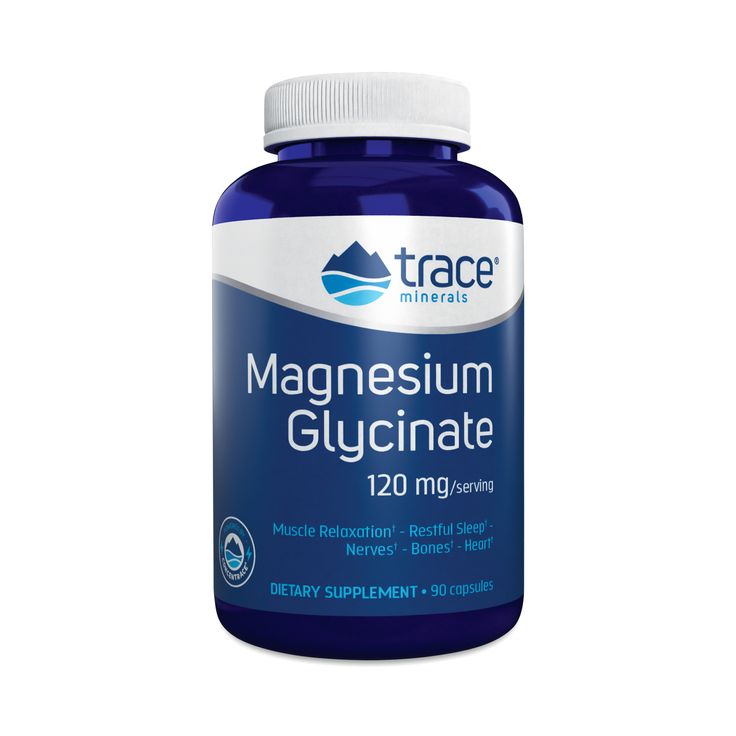
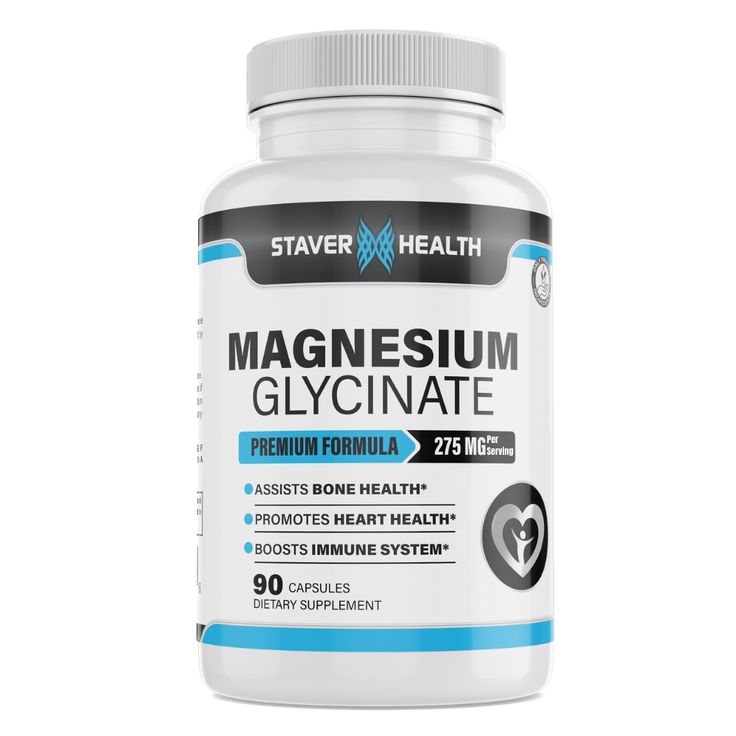
Choosing the right magnesium glycinate supplement depends on dosage preference, capsule count, and formulation quality. Below are three highly rated options.
Best Overall Magnesium Glycinate
A balanced formula offering strong bioavailability and clean ingredients, ideal for daily sleep and recovery support.
Key Features:
- Chelated magnesium glycinate
- Third-party tested
- Gentle on digestion
- 200–240mg elemental magnesium
Best Budget Option
For those seeking affordability without compromising absorption quality.
Key Features:
- Simple ingredient profile
- Suitable for consistent use
- Cost-effective per serving
Best High-Dose Option
Ideal for individuals with higher magnesium needs or intense training recovery demands.
Key Features:
- High absorption formula
- 350–400mg elemental magnesium
- Designed for advanced users
Glycinate remains one of the most balanced and widely recommended forms.
High-Absorption Magnesium Glycinate
Formulated for optimal bioavailability and gentle digestion, this option supports:
- Deeper sleep cycles
- Reduced muscle tension
- Improved recovery
- Nervous system balance
Key Features:
- Chelated magnesium glycinate
- Non-GMO
- Third-party tested
- Suitable for daily use

Other Natural Supplements That Support Sleep
Magnesium glycinate is often combined with other nutrients that promote relaxation and sleep.
Examples include:
- glycine
- L-theanine
- melatonin
- rhodiola rosea
Lifestyle practices such as reducing evening screen exposure and maintaining a consistent sleep schedule may also improve sleep quality.
Internal Health Monitoring and Sleep
Sleep quality is closely connected with other health markers such as blood pressure and metabolic health.
If you are monitoring your health metrics at home, you may also find these guides helpful:
• Best glucose monitor for home use
• Silent signs of high blood pressure
• Optimize your cardiovascular health now
Tracking key health indicators can provide valuable insights into overall wellbeing.
Final Thoughts
Finding the best magnesium glycinate for sleep and recovery can be an effective step toward improving sleep quality and supporting nervous system balance.
Because magnesium glycinate is well absorbed and generally gentle on the digestive system, it is often considered one of the most suitable forms of magnesium for individuals seeking natural sleep support.
However, supplements should always be used responsibly and ideally alongside healthy sleep habits such as regular bedtime routines, stress management, and balanced nutrition.
For a full list of preventive supplements and medical devices, explore our complete Recommended Tools page: