
7 Best Glucose Monitors for Home Use (Accurate & Easy to Use)
Best glucose monitors for home use devices allow individuals to track their blood sugar levels accurately and conveniently from the comfort of their homes. Regular monitoring plays a crucial role in managing diabetes, understanding metabolic health, and preventing long-term complications associated with unstable glucose levels.
Using the best glucose monitor for home use helps individuals detect changes in blood sugar early, evaluate how diet and lifestyle affect glucose levels, and share reliable data with healthcare professionals. Modern glucose monitors are designed to be fast, portable, and easy to operate, making home health monitoring more accessible than ever.
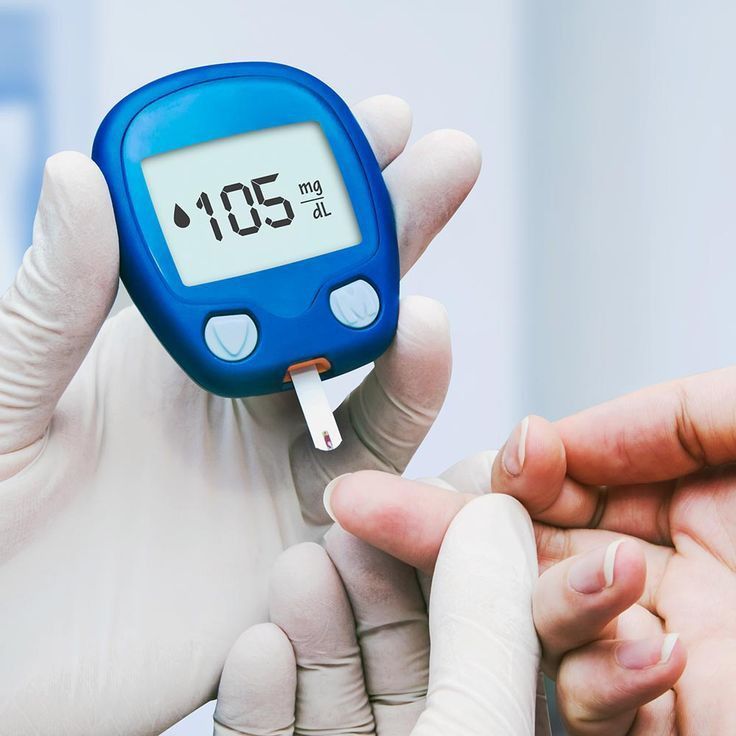
Choosing the right device can significantly improve how effectively people manage their blood sugar and maintain overall preventive health.
Table of Contents
Why Home Glucose Monitoring Matters
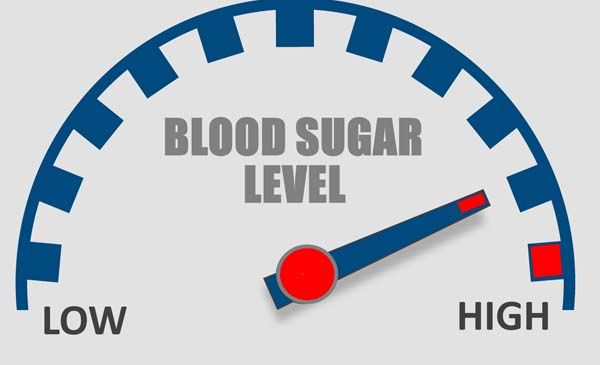
Regular glucose monitoring provides valuable insights into how diet, exercise, and lifestyle affect blood sugar levels.
For individuals living with diabetes or prediabetes, monitoring blood glucose can help:
• detect high or low glucose levels early
• adjust diet and medication
• track long-term metabolic health
• prevent complications
According to the World Health Organization, diabetes is one of the fastest growing chronic diseases worldwide, making regular monitoring increasingly important.
What to Look for in a Glucose Monitor
When selecting the best glucose monitor for home use, several important features should be considered.
Accuracy
Accuracy is the most critical factor when choosing a glucose meter. Devices that meet clinical standards provide more reliable readings.
Ease of Use
A good monitor should provide fast results and require minimal steps for testing.
Memory Storage
Many modern devices store previous readings, helping users track trends in their glucose levels.
Connectivity
Some glucose monitors connect to smartphone apps that allow users to monitor long-term health data.
7 Best Glucose Monitors for Home Use
Below are some devices commonly considered among the best glucose monitors for home use due to their reliability and ease of use.
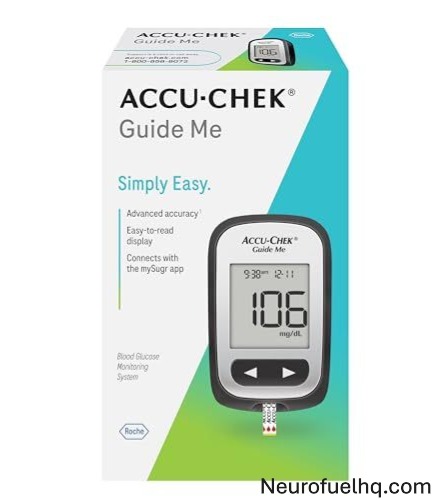
1. Accu-Chek Guide Glucose Monitor
The Accu-Chek Guide meter is known for its high accuracy and simple testing process.
Key features:
• fast results
• easy strip handling
• clear digital display
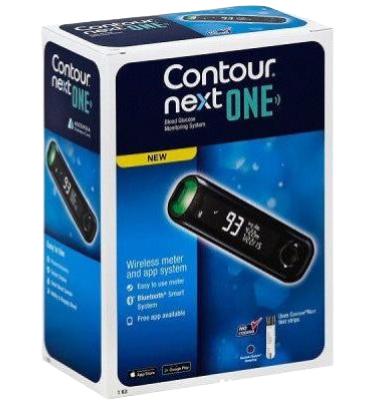
2. Contour Next One Glucose Monitor
The Contour Next One meter offers highly accurate readings and smartphone connectivity.
Key features:
• Bluetooth connectivity
• highly accurate measurements
• smart data tracking
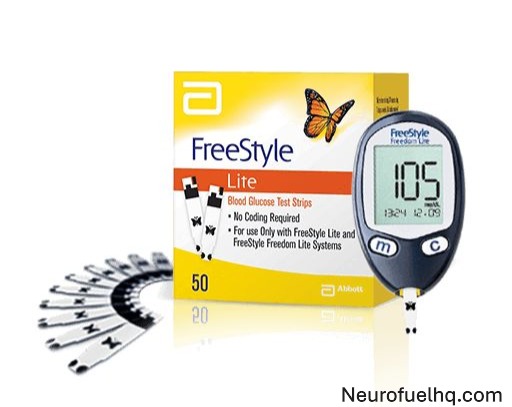
3. FreeStyle Lite Glucose Monitor
The FreeStyle Lite monitor is compact and easy to carry.
Key features:
• small blood sample requirement
• quick testing
• portable design
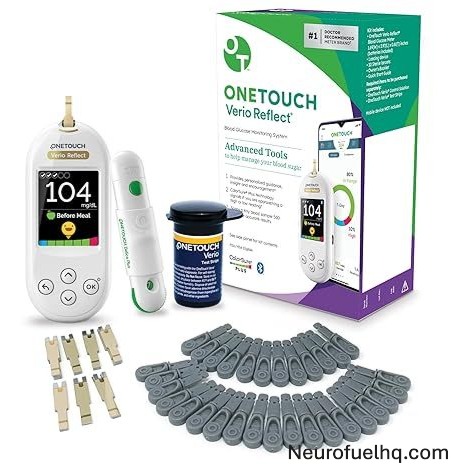
4. OneTouch Verio Reflect
The OneTouch Verio Reflect meter provides color-coded indicators to help users interpret glucose results easily.
Key features:
• simple interface
• accurate readings
• trend tracking
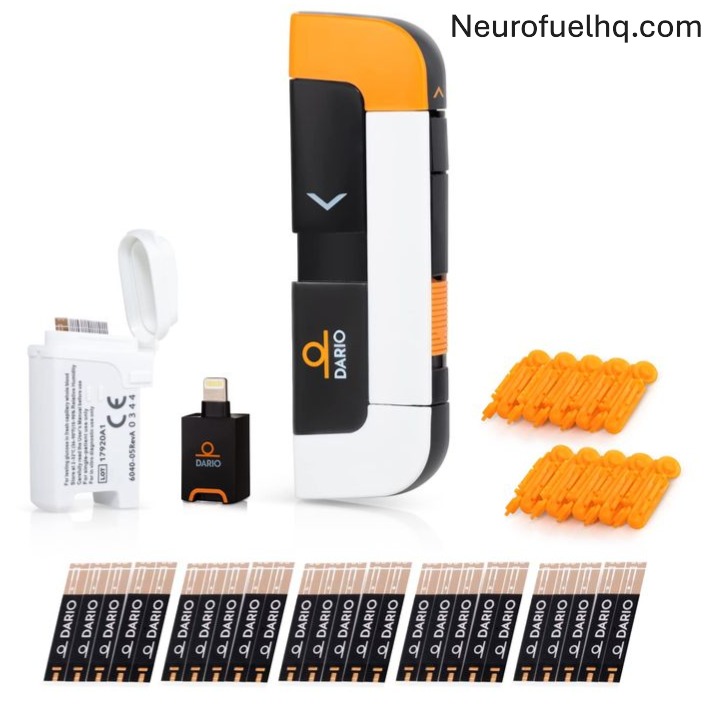
5. Dario Glucose Monitoring System
The Dario glucose monitor connects directly to smartphones, making digital health tracking easier.
Key features:
• smartphone integration
• compact design
• digital tracking tools
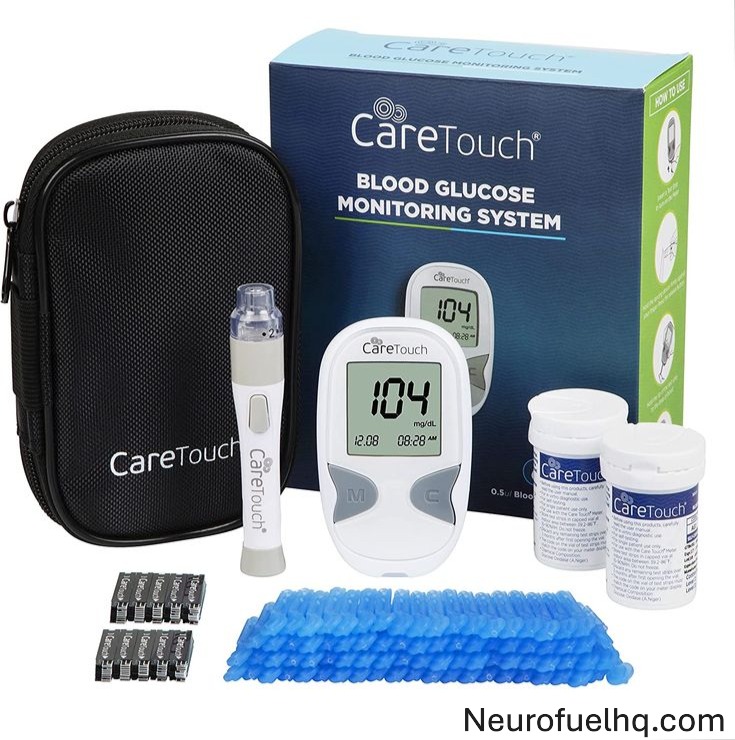
6. Care Touch Blood Glucose Monitoring System
The Care Touch monitor provides reliable readings with an easy testing process.
Key features:
• large display
• simple operation
• affordable option
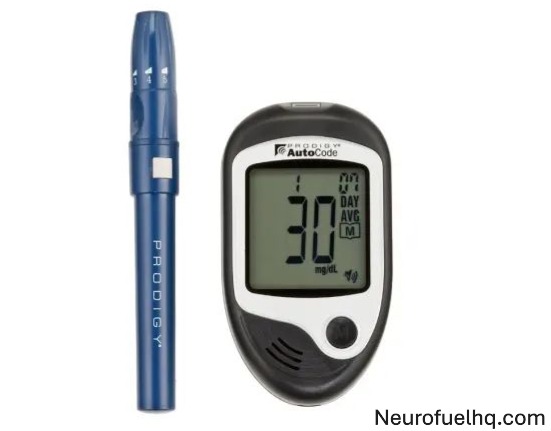
7. Autocode Glucose Monitor
The Prodigy Autocode meter is designed for easy accessibility and simple operation.
Key features:
• voice guidance
• quick results
• user-friendly design
How to Test Blood Sugar Correctly
Even the best glucose monitor for home use can give inaccurate readings if used incorrectly.
For accurate results:
• wash hands before testing
• use a fresh test strip
• follow device instructions carefully
• record readings consistently
Regular monitoring helps individuals understand how food, exercise, and medications affect blood sugar levels.
Understanding what your numbers mean is just as important as choosing the best glucose monitor for home use. Blood glucose readings help determine whether blood sugar levels fall within a healthy range or require further medical evaluation.
Understanding Your Readings
Normal Fasting Blood Glucose
Fasting blood glucose is measured after not eating for at least 8 hours, usually in the morning.
Typical ranges include:
• Normal: 70–99 mg/dL
• Prediabetes: 100–125 mg/dL
• Diabetes: 126 mg/dL or higher on two separate tests
Elevated fasting glucose levels may indicate impaired glucose metabolism and should be evaluated by a healthcare professional.
Random Blood Glucose
A random blood glucose test measures blood sugar at any time of the day, regardless of when you last ate.
Typical ranges include:
• Normal: Below 140 mg/dL
• Possible diabetes: 200 mg/dL or higher, especially if symptoms such as increased thirst, frequent urination, or fatigue are present.
Additional Tests Used to Diagnose Diabetes
While home glucose monitoring helps track blood sugar trends, medical diagnosis usually involves laboratory tests.
Common diagnostic tests include:
HbA1c Test
The Hemoglobin A1c Test measures the average blood sugar level over the past 2–3 months.
Typical interpretation:
• Normal: Below 5.7%
• Prediabetes: 5.7% – 6.4%
• Diabetes: 6.5% or higher
This test is widely used because it provides a long-term view of glucose control.
Oral Glucose Tolerance Test
The Oral Glucose Tolerance Test measures how the body processes glucose after consuming a glucose solution.
It is often used to diagnose:
• type 2 diabetes
• prediabetes
• gestational diabetes
Why Monitoring Trends Matters
Using the best glucose monitor for home use helps individuals track patterns in blood sugar levels over time. Monitoring trends can help identify how diet, exercise, medications, and stress influence glucose control.
Consistent monitoring allows individuals and healthcare providers to make informed decisions about lifestyle adjustments and treatment strategies.
People monitoring metabolic health often track cardiovascular indicators as well. Learn about the silent signs of high blood pressure and why regular monitoring is important.
Frequently Asked Questions
What is the best glucose monitor for home use?
The best glucose monitor for home use is typically a clinically validated device that provides accurate readings and stores past measurements for tracking.
How often should you check blood sugar?

People with diabetes may need to check blood sugar multiple times per day, while others may monitor less frequently depending on medical advice.
Are continuous glucose monitors better?
Continuous glucose monitoring systems provide real-time data but may not be necessary for everyone.
Final Thoughts
Selecting the best glucose monitor for home use can significantly improve blood sugar management and overall metabolic health. Reliable monitoring allows individuals to detect patterns in their glucose levels and make informed lifestyle adjustments.
When combined with healthy nutrition, physical activity, and medical guidance, consistent monitoring can play a key role in preventing long-term complications.